
Video Game Addiction
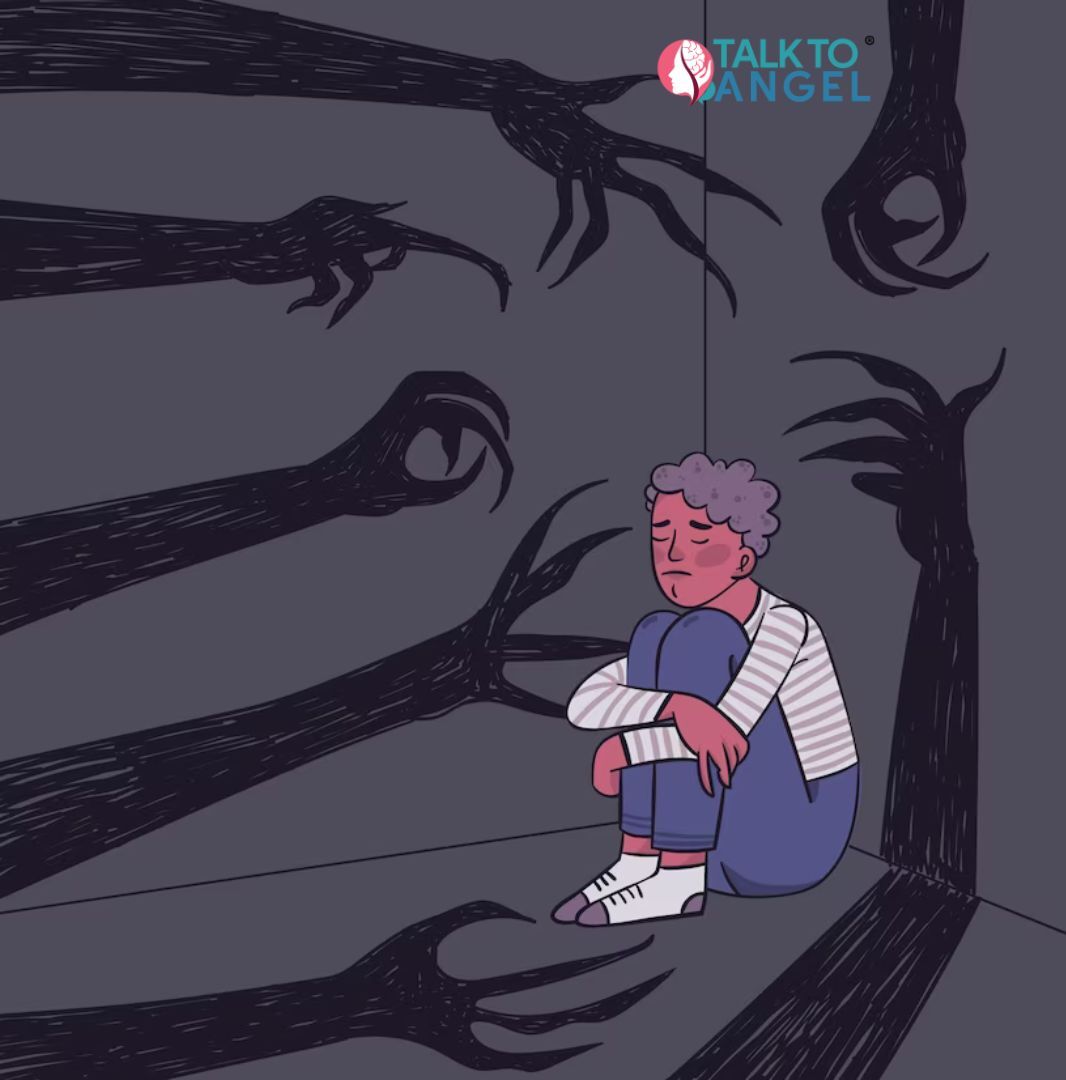
The obsessive or irrational usage of video games that interferes with other aspects of a person’s life is referred to as video game addiction. Video game addiction, which is sometimes seen as a subtype of internet or computer addiction, has been a growing source of worry for parents as video games have proliferated and are frequently marketed towards kids.
It’s worth noting that seeking help from Online counseling can be a useful step for those struggling with video game addiction. These professionals can provide guidance and support for individuals and families affected by the negative impacts of excessive gaming.
Understanding Video Game Addiction
Computer, console, arcade, even mobile phone, and high-tech calculator games are all examples of video games. Social networking platforms like Facebook can have integrated games.
The gaming business has expanded to become a multi-billion dollar one since the 1950s. Concerns have been raised concerning the long-term implications of playing video games, particularly among youngsters. The following inquiries are of particular concern:
- “Are video games bad for you?”
- “Do violent video games lead to aggression?”
- How addicting are video games?
Despite conflicting findings, there does seem to be proof that playing video games may be addicting, detrimental, and can cause aggressiveness. Nevertheless, these impacts vary greatly from person to person and may be influenced by a variety of other factors in addition to just the quantity of time spent playing games.
It’s worth noting that seeking help from Relationship counsellors can be a useful step for individuals and families struggling with the negative impacts of video game addiction. These professionals can provide guidance and support for improving communication and addressing any underlying issues that may be contributing to excessive gaming habits.
Signs and symptoms of Video Game Addiction
The following are some signs of video game addiction:
- playing video games while putting off chores at the office, at home, or at school
- Constantly having video game thoughts
- the inability to shorten the playing time notwithstanding your best efforts
- Notwithstanding the issues that video games bring about in your life, you keep playing
- Using video games to combat anxiety, depressive states, or other undesirable emotions
- Getting angry if you can’t play any games
- putting off the things you used to enjoy in favor of playing games online
- lying about your gaming habits or withholding information about how much time you spend playing video games
But playing video games frequently does not always indicate a problem with addiction. Some people just have a lot of passion for them, and that is how they choose to spend their leisure time. It may be a clue that there is a problem if playing video games causes anxiety and interferes with one’s ability to go about daily activities.
Diagnosis of Video Game Addiction
Video game addiction is a contentious concept, just like other behavioural addictions. While there are some alarming impacts associated with video gaming, particularly in younger players, there is not enough long-term study or supporting data to draw a firm conclusion that excessive video game playing constitutes an addiction.
Additionally, the relentless marketing of the video game business, whose own research, predictably, finds no negative impacts, must compete with warnings from organisations like the American Medical Association, which contends that video games may be dangerous.
The “gold standard” reference for mental health problems, the “Diagnostic and Statistical Manual of Mental Disorders” (DSM-5-TR), does not now recognise it as a discrete illness. However, the DSM includes internet gaming disorder as a diagnosis that warrants more investigation.
Although proposed criteria have been published, it is not yet officially acknowledged as a condition.
Gaming behaviour must be so severe that it significantly interferes with home, job, family, school, and other aspects of life in order to be diagnosed. Additionally, symptoms must last a year or longer.
Effects of Video Game Addiction
Violent video games may lead to more aggressive feelings and actions, according to several research. Inconclusive research exists on this subject, and some studies claim to have missed this connection or to have discovered it to be impacted by other variables, such as moral disengagement and disinhibition. In addition to having greater emotional problems, such as more despair and anxiety, feeling more socially alienated, and having issues with online pornography usage, video game addicts also tend to have higher levels of depression and anxiety.
Treatment for Video Game Addiction
It is possible to treat behavioural addictions like a video game addiction using cognitive behavioural therapy (CBT), a kind of therapy.
People can recognise the ideas that fuel excessive, obsessive video game use by working with a therapist to pinpoint these thoughts. Once one is able to identify such ideas, one might attempt to replace them with more beneficial and beneficial ones.
Additionally, therapy can assist patients in acquiring a variety of coping mechanisms for overcoming stressful emotions and deterring cravings to play video games.