
Unlocking the Potential of Lockable Ball Valves
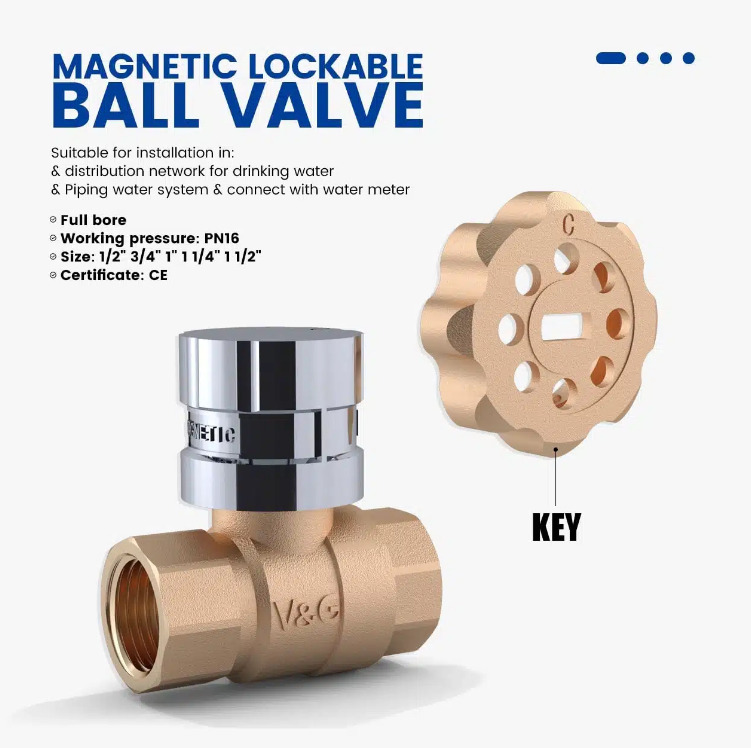
Lockable ball valve are innovative devices used in fluid control systems, offering enhanced security and control over fluid flow. These valves are designed to provide a reliable and efficient means of regulating liquids and gases in various industrial applications.
How Lockable Ball Valves Work
Lockable ball valves feature a spherical disc with a hole in the center. When the valve handle is turned, the hole aligns with the flow path, allowing fluid to pass through. This operation can be easily controlled and locked using a lever mechanism, ensuring that the valve remains in the desired position.
Advantages of Using Lockable Ball Valves
Lockable ball valves offer several advantages, including:
- Security: The ability to lock the valve in a specific position adds an extra layer of security, preventing unauthorized adjustments.
- Control: These valves provide precise control over flow rates, making them suitable for applications that require accurate fluid management.
- Durability: Lockable ball valves are built to withstand harsh conditions and maintain their functionality over extended periods.
- Versatility: They are suitable for a wide range of industries, from manufacturing and processing to water management.
Applications of Lockable Ball Valves
Lockable ball valves find application in various industries, such as:
- Industrial Manufacturing: Controlling the flow of different fluids in manufacturing processes.
- Oil and Gas: Regulating the flow of oil and gas in pipelines and storage systems.
- Water Treatment: Managing the flow of water in treatment plants and distribution systems.
- Chemical Processing: Precise control over the movement of chemicals in processing plants.
Choosing the Right Lockable Ball Valve
Selecting the appropriate lockable ball valve involves considering factors such as:
- Material: Choose a valve made from materials compatible with the fluid being controlled.
- Size: Select the right valve size to match the required flow rate.
- Pressure Rating: Ensure the valve can handle the system’s operating pressure.
- End Connections: Opt for the right type of end connections for your piping system.
Installation and Maintenance Guidelines
Proper installation is crucial for optimal valve performance. Follow these guidelines:
- Positioning: Install the valve in a way that allows easy access for operation and maintenance.
- Support: Provide proper support to prevent stress on the valve and piping.
- Leak Checks: Perform leak tests after installation.
- Maintenance: Regularly inspect and lubricate the valve to ensure smooth operation.
Ensuring Longevity: Tips for Proper Usage
To extend the lifespan of lockable ball valves:
- Avoid Over-Tightening: Turn the valve gently to avoid damaging the sealing components.
- Regular Operation: Operate the valve periodically, even if not in use, to prevent sticking.
- Protect from Freezing: In cold environments, ensure the valve is protected from freezing to prevent damage.
8. Addressing Common Concerns About Lockable Ball Valves
Are lockable ball valves suitable for high-pressure systems?
Lockable ball valves are designed to handle a wide range of pressures, making them suitable for both low and high-pressure systems.
Can lockable ball valves be automated?
Yes, lockable ball valves can be automated using actuators to enable remote or automatic operation.
What maintenance is required for these valves?
Regular inspection for leaks and proper lubrication is essential for maintaining the performance of lockable ball valves.
Are these valves resistant to corrosive fluids?
The resistance to corrosive fluids depends on the materials used to construct the valve. Choose materials that are compatible with the fluids being handled.
Can lockable ball valves be used for throttling?
While they offer good control, lockable ball valves are better suited for on/off applications rather than precise throttling.
Conclusion
In conclusion, lockable ball valves provide a versatile and secure solution for fluid control across various industries. Their ability to offer precise regulation, enhanced security, and durability makes them indispensable in modern manufacturing, processing, and distribution systems. By selecting the right valve, following proper installation and maintenance practices, and addressing common concerns, you can unlock the full potential of lockable ball valves for your specific application.