
Understanding Lid Retraction: Causes and Treatment
Introduction
Lid retraction, a condition where the upper or lower eyelids are positioned higher than normal, can lead to discomfort and aesthetic concerns. This article sheds light on lid retraction, its causes, and available treatments. If you’re in Dubai and facing such issues, seeking help from an eye specialist in Dubai is crucial for proper diagnosis and care.
What is Lid Retraction?
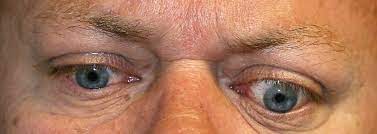
Lid retraction, often referred to as a “wide-eyed” or “staring” appearance, occurs when the eyelids are abnormally elevated, leaving more of the eye exposed than usual. This condition can affect one or both eyes and might be caused by various underlying factors.
Causes
Several factors can contribute :
- Thyroid Eye Disease: A common cause, where an overactive thyroid gland leads to inflammation around the eye muscles, resulting in lid retraction.
- Eye Injury: Trauma to the eye area can damage the muscles that control eyelid movement, causing retraction.
- Congenital Factors: Some individuals are born with genetic predispositions that lead to abnormal eyelid positioning.
- Neurological Conditions: Certain neurological disorders can affect the nerves responsible for eyelid movement, causing retraction.
- Scarring: Surgical scars or tissue damage near the eyes can restrict normal eyelid motion, leading to lid retraction.
- Infections: Severe eye infections can lead to inflammation that affects eyelid muscles and causes retraction.
Symptoms and Complications
This might lead to several discomforts and complications:
- Dry Eyes: Increased exposure due to lid retraction can result in dry eyes and irritation.
- Sensitivity to Light: The exposed part of the eye might become more sensitive to light, causing discomfort.
- Cosmetic Concerns: Lid retraction can impact appearance, causing self-esteem and confidence issues.
- Corneal Problems: In severe cases, lid retraction can lead to corneal exposure, potentially causing damage to the cornea.
Diagnosis
If you suspect lid retraction, consulting an eye specialist in Dubai is recommended. The specialist will perform a thorough eye examination, assessing eyelid position, movement, and overall eye health. They might also inquire about medical history and any recent injuries.
Treatment Options
The approach to treating lid retraction depends on its underlying cause and severity. Here are some treatment options:
- Medical Management: In cases related to thyroid eye disease, managing the underlying thyroid condition can help alleviate lid retraction.
- Artificial Tears: Lubricating eye drops can relieve dryness and irritation associated with lid retraction.
- Eyelid Exercises: Some mild cases of lid retraction can be managed with regular eyelid exercises, which improve muscle control.
- Taping: Eyelid taping techniques can help keep the eyelids in a more normal position, reducing exposure.
- Surgery: In severe and persistent cases, surgical intervention might be necessary to adjust eyelid positioning and improve comfort and appearance.
Preventing
While some causes of lid retraction are beyond control, there are steps you can take to minimize the risk:
- Eye Protection: Wear appropriate eye protection during activities that pose a risk of eye injury.
- Eye Health: Manage underlying health conditions, especially thyroid disorders, to prevent associated lid retraction.
- Hygiene: Practice good eye hygiene to prevent infections that could lead to retraction.
Consult an Eye Specialist in Dubai
If you’re experiencing lid retraction symptoms, seeking help from an eye specialist in Dubai is vital. They possess the expertise to diagnose the root cause of the issue and recommend suitable treatments. Timely intervention can enhance your comfort, protect your eye health, and restore your confidence.
In conclusion, lid retraction can be distressing, affecting both comfort and appearance. Understanding its causes, symptoms, and available treatments empowers individuals to take proactive steps toward addressing the condition. Remember, consulting an experienced eye specialist is the first step toward effective management. For details, you can visit Imperial Healthcare Institute.