
The Future of Dentistry: Innovative Approaches as Alternatives to Root Canals
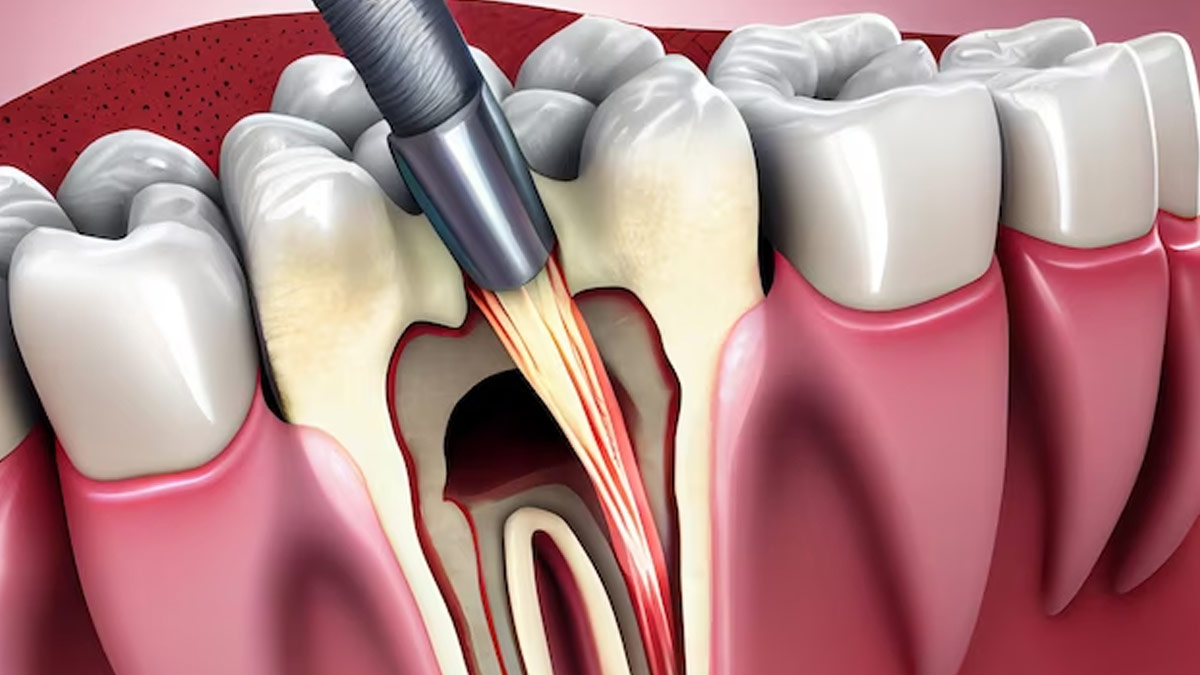
In recent years, dentistry has experienced a paradigm shift, moving away from conventional treatments like root canal alternative to embrace innovative alternatives that offer improved patient outcomes and experiences. Root canals have long been the standard solution for addressing deep dental infections, but advances in technology and research have paved the way for exciting alternatives that promise to revolutionize oral health care. This article explores these groundbreaking approaches and sheds light on the cost of teeth cleaning without insurance, making dental care more accessible and patient-centric.
The Limitations Of Root Canals
Root canals have been widely practiced for over a century, effectively treating dental infections by removing infected pulp from the tooth’s root canals. However, this procedure often involves multiple visits, the potential for reinfection, and can lead to weakened teeth over time. Moreover, patients commonly experience anxiety and discomfort associated with traditional root canal treatment.
Innovations In Dental Pulp Regeneration
One of the most promising alternatives to root canals lies in dental pulp regeneration. Scientists have made significant progress in tissue engineering, where they aim to stimulate the regeneration of damaged dental pulp. By using biocompatible materials and growth factors, dentists can encourage the body’s natural healing process and restore the tooth from within, eliminating the need for invasive root canal procedures.
Laser Dentistry And Its Role In Endodontic Treatment
Laser dentistry has emerged as a game-changer in endodontic treatment. With its precise and minimally invasive approach, lasers can effectively disinfect root canals, removing bacteria and infected tissue without causing damage to surrounding healthy structures. Patients experience less pain, reduced healing time, and increased success rates compared to traditional root canals.
Nanotechnology: A Microscopic Solution
Nanotechnology has unlocked a world of possibilities in dentistry, offering a microscopic solution to dental problems. Researchers have developed nanomaterials with antimicrobial properties that can target and eliminate bacteria deep within the tooth, rendering root canals unnecessary in some cases. These innovative materials hold great promise for preventing and treating dental infections more effectively.
Stem Cell Therapy For Dental Repair
Stem cell therapy represents a groundbreaking avenue for dental repair and regeneration. By harnessing the body’s own regenerative capabilities, dentists can stimulate the growth of new, healthy tissues, potentially eliminating the need for root canals altogether. This approach could revolutionize the way we approach dental care, providing patients with longer-lasting and more natural solutions.
The Financial Aspect – Teeth Cleaning Without Insurance
As dental care evolves, many individuals are left wondering about the cost of essential treatments, including teeth cleaning. Without insurance coverage, dental expenses can be a concern for many. In this section, we explore the average cost of teeth cleaning procedures, various payment options, and potential assistance programs to make dental care more affordable and accessible to all.
Conclusion:
how much is a teeth cleaning without insurance , with groundbreaking alternatives to root canals on the horizon. From dental pulp regeneration and laser dentistry to nanotechnology and stem cell therapy, dental care is set to become more patient-centric, effective, and minimally invasive. While traditional root canals have served as the go-to solution for decades, these innovative approaches have the potential to transform the field of dentistry and improve oral health outcomes for countless individuals worldwide. Additionally, understanding the financial aspect of dental care, including teeth cleaning without insurance, is crucial in ensuring that everyone can access the dental treatments they need to maintain their oral health and overall well-being. As technology continues to advance and research progresses, the dental landscape is poised for an exciting and transformative journey into the future.