
The Foundations of a Perfect NY Pizza Crust
Flour Selection and Quality
Flour, the Canvas of the Crust
The choice of flour is the first brushstroke on the canvas of your pizza crust masterpiece. High-gluten bread flour is the preferred choice, bringing the essential strength and structure required to achieve that distinct foldable slice. Its high protein content enables proper gluten development, which is integral to achieving the desired texture.
The Quest for Quality
When it comes to flour, quality matters. Opt for unbleached, unbromated flour, as it retains more nutrients and flavor.
The Role of Water and Hydration
A Balancing Act with Hydration
Water is a secret ingredient often overlooked. Proper hydration directly affects the texture and flavor of your crust. A higher hydration level results in airier, hole-riddled crumb, while a lower hydration yields a denser, chewier bite. Finding the right balance is key.
Cold Water’s Charm
Using cold water slows down the fermentation process, allowing for a longer, more controlled development of flavors. Cold water also helps maintain the desired dough temperature, crucial for consistency in results.
Active dry yeast or fresh yeast can be used, with the latter often preferred for its nuanced contribution to flavor. Be mindful of the quantity; a longer fermentation period requires less yeast.
Kneading Technique: Finding the Right Balance
Kneading, the rhythmic folding and pressing of dough, is where science meets intuition. Vigorous kneading develops gluten and structure, but too much can lead to tough dough. The ‘windowpane test,’ where a small piece of dough is stretched until it’s translucent, indicates proper gluten development.
The Magic of Maturation
Cold Fermentation Process
Embracing the Chill
The cold fermentation process, typically done in the refrigerator, extends fermentation, allowing flavors to deepen. A minimum of 24 hours is recommended, but longer periods, even up to 72 hours, can lead to unparalleled complexity.
Relate Us: Ny pizza mansfield
The Essence of New York Pizza
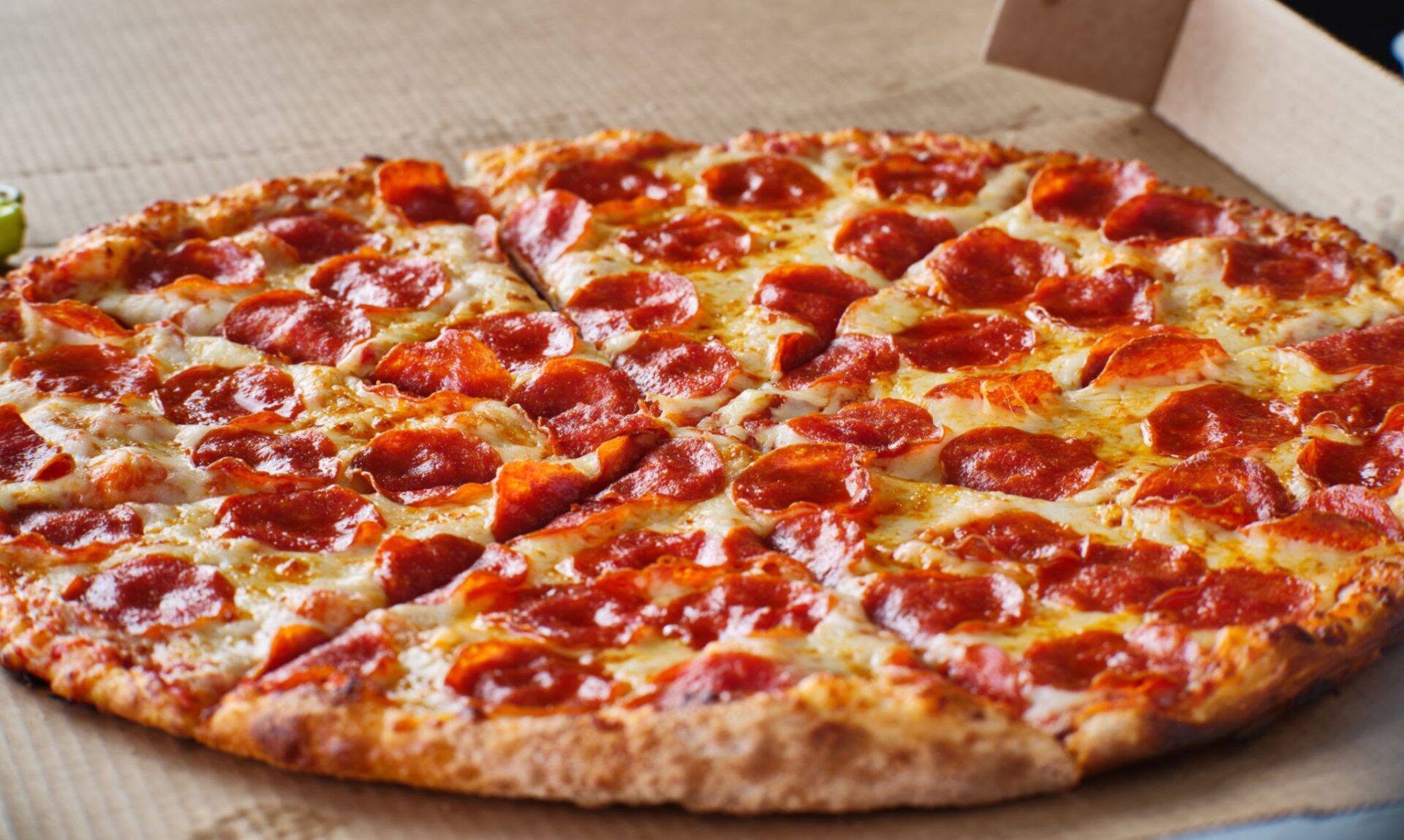
Before we dive into the details of crafting the quintessential NY pizza crust, let’s explore what makes this style of pizza so unique. New York pizza is renowned for its large, foldable slices with a thin yet sturdy crust. The crust strikes a delicate balance between being thin enough for that classic fold and having enough structure to hold an array of toppings without becoming soggy.
Key Ingredients for the Perfect NY Pizza Crust
To embark on this culinary journey, one must first gather the key ingredients that lay the foundation for the ultimate New York pizza crust.
Flour: The Foundation of Flavor
High-gluten bread flour is the cornerstone of a classic NY pizza crust. Its elevated protein content contributes to the chewiness and strength required for that signature fold.
Water: Achieving the Ideal Texture
The water-to-flour ratio and water temperature play vital roles in determining the crust’s texture. The interaction between flour and water proteins creates gluten, giving the crust its characteristic chewiness.
Yeast: The Magic Microorganism
Yeast is responsible for the dough’s rise, creating air pockets that result in a light and airy interior. Slow fermentation, often overnight, enhances the dough’s flavor and digestibility.
Salt: Enhancing Flavor
Salt isn’t just a seasoning; it controls yeast activity and strengthens gluten structure. It also imparts a balanced flavor that elevates the entire pizza.
Olive Oil: A Hint of Richness
A touch of olive oil adds richness to the dough, enhancing both its flavor and extensibility during shaping. It also aids in achieving that coveted golden-brown crust.
Extended Fermentation’s Impact
The Flavor Connection
Longer fermentation encourages enzymatic activity, breaking down starches into sugars and proteins into amino acids. This results in heightened flavors, as well as a more digestible and nutritious crust.
Stretching and Tossing: From Novice to Pro
Stretching and tossing ny pizza mansfield dough is both a performance and a skill. Gently flatten the dough into a disc, then drape it over your fists, using gravity and rotation to gradually enlarge it. Practice will refine your technique, allowing you to achieve that signature thinness.
Heat, Stone, and Crust Interaction
The oven is your orchestra, and heat is your conductor. Preheat your oven and a ny pizza mansfield stone at the highest temperature possible. The stone not only ensures even cooking but also creates the desirable balance of crispness and chewiness. A well-heated stone mimics the effects of a brick oven.
Achieving the Coveted Crunch and Chew
Striking the right balance between crispiness and chewiness is the hallmark of a perfect ny pizza mansfield. A high oven temperature ensures a quick rise and sets the crust’s structure before it has a chance to dry out completely, resulting in that sought-after crunch on the outer layer and a satisfying chew within.
Gluten’s Role in Crust Texture Development
Gluten, the protein formed during kneading, plays a pivotal role in creating texture. A well-developed gluten network gives the crust elasticity, contributing to its chewiness. However, overworked gluten can result in toughness, highlighting the importance of moderation in kneading.
Toppings and Their Influence on Crust Character
Toppings aren’t just ornamentation; they interact with the crust in subtle ways. Heavier toppings can release moisture during baking, affecting crispiness. Strategic placement of toppings prevents excessive sogginess, ensuring a harmonious textural experience.
Bringing the Slice Home: Recreating the NY Pizza Experience
While nothing beats the charm of a New York pizzeria, you can recreate the experience at home.
Domestic Ovens vs. Professional Pizzerias
Domestic ovens have their limitations, but a pizza stone or steel can mimic the intense heat of a commercial oven, yielding a comparable crust.
Tools and Tips for Homemade NY Pizza
Investing in a pizza peel, using high-quality ingredients, and experimenting with dough hydration can all contribute to achieving a top-notch homemade NY pizza.
Innovation Meets Tradition: Modern Twists on NY Pizza
While tradition forms the heart of NY pizza, innovation has also found its place on the menu.
Gluten-Free and Health-Conscious Options
For those with dietary restrictions, gluten-free flours and alternative crust ingredients offer a chance to enjoy a slice of NY pizza without compromise.
Global Inspirations: Fusion Pizzas
Chefs around the world are putting their spin on NY pizza, infusing it with diverse ingredients and techniques that pay homage to both tradition and innovation.
Conclusion
In the realm of culinary artistry, crafting the perfect New York pizza crust is a discipline that marries tradition with innovation, and science with soul. Each step in the process, from flour selection to baking technique, contributes to the final symphony of flavors and textures. The specialty of making a best calzones near me outside isn’t simply a recipe; it’s an excursion of investigation, learning, and dominance. Thus, focus in, embrace the batter, and set out on your own journey to make a cut of pizza flawlessness that gives recognition to the notorious New York style.