
The Estimator’s Toolkit: Software and Tools for Precise Commercial Electrical Estimations
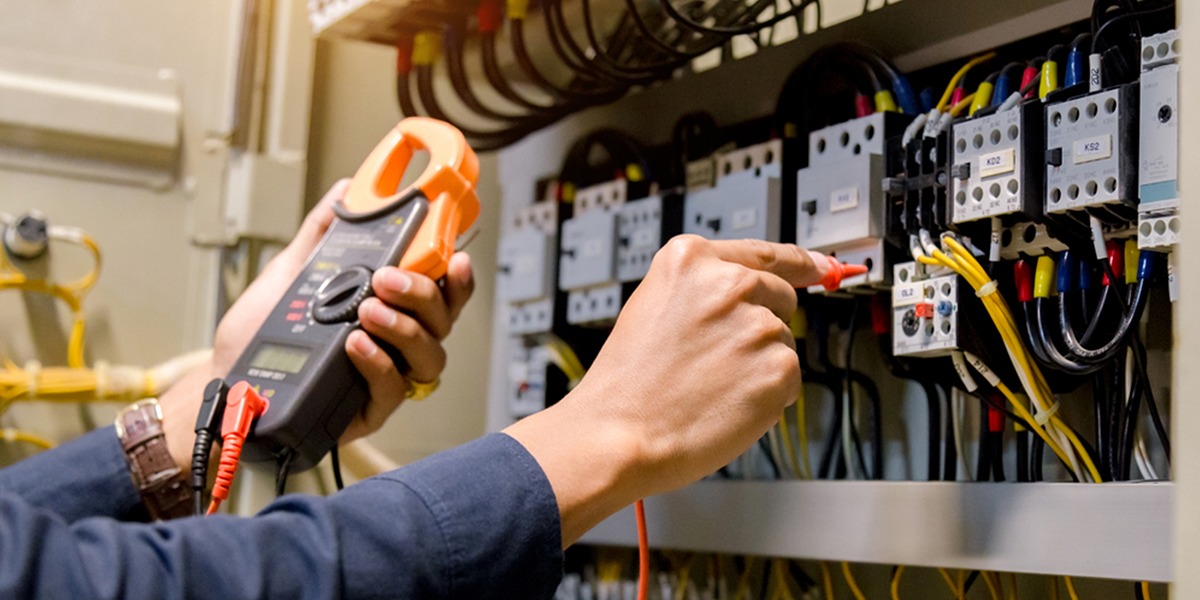
Accurate electrical estimations are essential for the success of commercial projects. In the fast-paced world of construction and development, having the right software and tools at your disposal can make all the difference. In this article, we delve into “The Estimator’s Toolkit,” a comprehensive collection of software and tools designed to facilitate precise commercial electrical estimations. These resources empower electrical estimators with the ability to streamline their workflows, reduce errors, and enhance overall project efficiency.
Electrical Estimation Software
AccuBid Electrical Estimating Software: AccuBid is a versatile software solution that enables electrical estimators to create detailed and accurate estimates. Its features include a comprehensive database of electrical items, customizable assemblies, integration with Computer-Aided Design (CAD) software, and the ability to generate professional proposals. AccuBid simplifies the estimation process by automating calculations and providing a platform for collaborative estimating.
McCormick Estimating Software: McCormick offers electrical estimation software that caters to various project sizes and complexities. It allows estimators to import drawings, perform takeoffs, and generate estimates quickly. The software’s built-in database, material pricing updates, and integration with other business tools enhance accuracy and productivity.
Takeoff Tools
Bluebeam Revu: Bluebeam Revu is a powerful PDF-based software that facilitates digital takeoffs. Commercial electrical estimators can use its measurement tools to quantify lengths, areas, and counts directly on electronic drawings. The software also supports markups, annotations, and collaboration, making it an essential tool for accurate takeoffs.
PlanSwift: PlanSwift is another digital takeoff solution that streamlines the estimation process. It allows estimators to import plans, perform electronic takeoffs, and calculate quantities effortlessly. PlanSwift’s integration with Excel and other estimating software ensures seamless data transfer and reduces manual entry errors.
Electrical Design and CAD Software

AutoCAD Electrical: AutoCAD Electrical is a specialized version of AutoCAD tailored for electrical design and documentation. Estimators can create schematics, panel layouts, and wiring diagrams using its extensive library of electrical symbols. The software’s capabilities contribute to more accurate estimations by providing detailed design insights.
EPLAN Electric P8: EPLAN Electric P8 is a comprehensive electrical design software that offers automation capabilities and efficient project planning. Estimators can use it to create detailed circuit diagrams, control cabinet layouts, and wiring documentation. The accurate designs produced by EPLAN facilitate precise material and labor estimations.
Cost Estimation Tools
RSMeans Electrical Cost Data: RSMeans offers a comprehensive database of construction costs, including electrical work. This resource provides estimators with up-to-date pricing information for materials, labor, and equipment, aiding in more accurate cost calculations.
Electrical Estimating Templates: Customizable electrical estimating templates, often available within estimating software or as standalone tools, allow estimators to create consistent and well-structured estimates. These templates include predefined categories, labor rates, and materials, which contribute to faster and more precise estimations.
Energy Analysis Software
Energy Modeling Software: For projects with a focus on energy efficiency, energy analysis software can be invaluable. These tools allow estimators to model and simulate the energy performance of electrical systems within a building. By considering factors such as lighting, HVAC, and equipment usage, estimators can better anticipate energy consumption and costs, leading to more accurate estimations and informed decision-making.
Project Management and Collaboration Tools
Procore: Project management software like Procore offers features tailored to the construction industry. Estimators can use it to track project progress, manage documentation, and communicate with team members. The ability to integrate cost estimates with project management tools facilitates a smoother workflow and ensures that estimations align with project realities.
BIM (Building Information Modeling) Software: BIM software (e.g., Autodesk Revit) enables collaboration among different stakeholders by creating a digital representation of the project. Electrical estimators can use BIM models to visualize electrical systems within the context of the entire building. This holistic view supports more accurate estimations by considering spatial relationships and potential clashes with other systems.
Cloud-Based Solutions
Cloud-Based Estimating Software: Cloud-based estimating solutions, such as STACK and Trimble Accubid Anywhere, offer the advantage of accessibility from anywhere with an internet connection. Estimators can collaborate on estimates in real-time, access the latest project information, and ensure consistent data across the team.
Cloud Storage and File Sharing: Tools like Google Drive, Dropbox, or Microsoft OneDrive provide secure cloud storage and file-sharing capabilities. These platforms allow estimators to store project-related documents, drawings, and estimates centrally, ensuring data integrity and facilitating collaboration.
Continuing Education Resources
Industry Training and Webinars: Staying updated with the latest technologies and techniques is crucial for accurate estimations. Many organizations and software providers offer training sessions and webinars on topics ranging from software tutorials to industry trends. Continuous learning ensures that estimators remain adept at using the latest tools effectively.
Professional Associations: Joining professional associations such as the National Electrical Contractors Association (NECA) or the International Association of Electrical Inspectors (IAEI) provides access to industry events, conferences, and networking opportunities. These platforms enable estimators to exchange knowledge, share best practices, and learn from their peers.
Conclusion
The Estimator’s Toolkit is a dynamic and evolving collection of software and tools that cater to the unique demands of commercial electrical estimations. From specialized estimating software to digital takeoff tools, energy analysis solutions, and collaborative platforms, these resources empower electrical estimators to deliver accurate and informed estimates. By embracing the capabilities of these tools and investing in their ongoing education, estimators can navigate the challenges of modern construction projects with confidence, ensuring success for themselves and their organizations. In a competitive industry where precision and efficiency are paramount, the Estimator’s Toolkit becomes an indispensable ally for those seeking excellence in commercial electrical estimations.
Frequently Asked Questions
Why is accurate electrical estimation important in commercial projects?
Accurate electrical estimation is crucial because it forms the basis for project planning, budgeting, and decision-making. Precise estimations help prevent cost overruns, ensure adequate resource allocation, and promote realistic project timelines. Reliable estimates also contribute to improved client relationships and project success.
What types of software are included in the Estimator’s Toolkit?
The Estimator’s Toolkit encompasses a range of software, including electrical estimation software (e.g., AccuBid, McCormick), digital takeoff tools (e.g., Bluebeam Revu, PlanSwift), electrical design and CAD software (e.g., AutoCAD Electrical, EPLAN Electric P8), and energy analysis software (e.g., EnergyPlus, eQUEST).
How do digital takeoff tools contribute to accurate estimations?
Digital takeoff tools allow estimators to measure lengths, areas, and counts directly on electronic drawings, minimizing manual errors associated with traditional paper-based takeoffs. These tools also support markups and annotations, aiding in the identification of key project elements for more precise estimations.
Can BIM software be useful for electrical estimations?
Yes, Building Information Modeling (BIM) software, like Autodesk Revit, can be highly beneficial for electrical estimations. BIM models provide a visual representation of the entire project, allowing estimators to understand the spatial relationships between electrical systems and other building components. This holistic view helps in accurate estimation and clash detection.
How do cloud-based solutions enhance the estimation process?
Cloud-based solutions offer accessibility and real-time collaboration. Estimators can work on estimates from any location with an internet connection and collaborate seamlessly with team members. This ensures that all stakeholders have access to the latest project information, leading to consistent and accurate estimations.