
The Diet and Omega-3 fatty acids
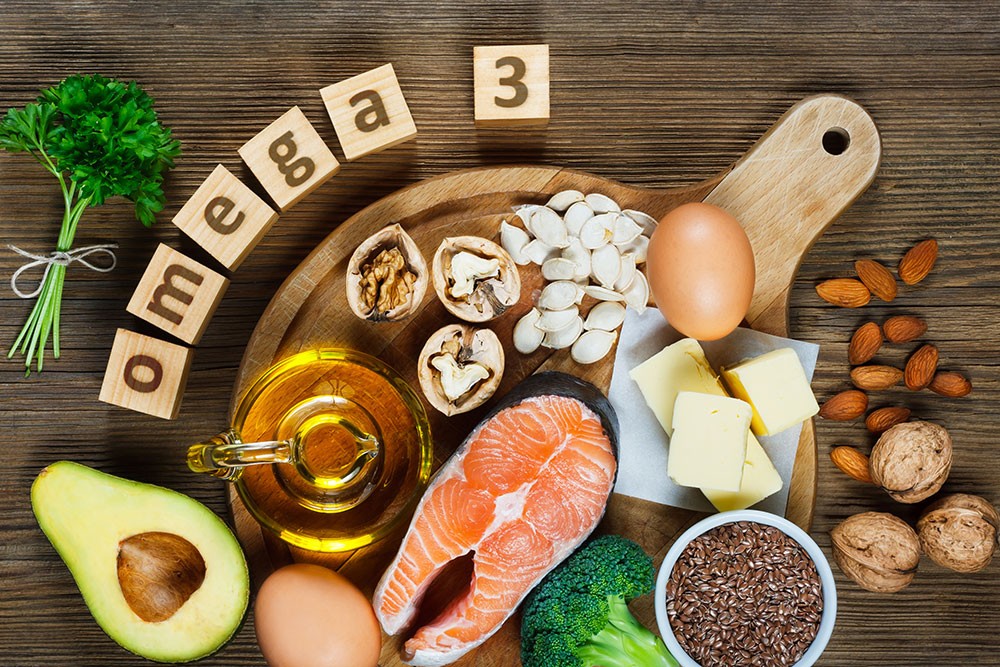
You’ve heard that you should eat less fish because it’s good for your heart. Although many discoveries at this point are still inconclusive regarding the benefits of omega-3s for heart health, a meta-review of the largest trials to date observed that the supplement omega-3 supplements reduce cardiovascular problems, with additional benefits over advanced supplements (more than 840 mg per day).
But you can also relate to approximate mercury and other pollutants. What should a health-conscious buyer do? Then there’s the matter of fish, how much to eat, how to avoid mercury and other toxins, and whether you should supplement with fish oil paint.
Fish is good for the heart
Fatty or fatty fish, such as salmon, tuna, and sardines, are good sources of heart-healthy omega-3 fatty acids.
Although the study found no benefit for stroke, beneficial omega-3 supplements reduced the risk of heart attack, as well as hospitalization or death from cardiovascular causes, in more than 12,000 people. in 13 trials. According to other studies, omega-3s help the heart because they can reduce inflammation and slow the buildup of nerve cells on the highway.
Are omega-3 supplements as good as fish?
Omega-3s are a unique form of nutrition that is considered “essential,” meaning you need to get them from foods or supplements. Your body cannot make nutrients from other fats, carbohydrates, or proteins. Omega-3s are not common in the foods we eat and are found naturally in fish Vidalista 60mg Online and Vidalista 20 reviews.
However, you can choose an add-on if you don’t see any fish. While it’s generally good to get nutrients from floating chalk, you’re better off getting fish oil paint for your weight loss plan now. Current exploration suggests they may be desired by you as a Messy Chest.
How Much Omega-3 Do You Need?
The American Heart Association recommends eating fish twice a week, while the FDA recommends two or more servings of fish depending on the week. However, it is also recommended to take 250-500mg per day. food. (Also note that 1000mg of fish oil paint does not equal at least 1000mg of EPA and DHA combined with a check mark to see how much of your omega-3 supplement contains.)
Consult your healthcare company before starting this or any other supplement. Some specifics include the blood pressure regulator Fildena 100 lozenges. This includes beta blockers, blood thinners, and diuretics that will interact with fish oil paint.
In addition to fish and fish oil paints, there are also factory-made omega-3s. For example, a pinch of walnuts, a teaspoon of canola oil paint on a salad, or a smaller teaspoon of flaxseed on your breakfast cereal are all correct approaches to getting omegas. -3 for your food agency.
Mercury in fish
Mercury unfolds in detail, but it is also a derivative of adulterers. In excessive amounts, ingesting mercury can cause neurological problems. All fish and seafood contain a certain amount of mercury.
So realistically, since it’s impossible to completely avoid mercury when eating fish and seafood, you can make a mercury-free option. Plump experts repel fish with very high levels of mercury and eat low-mercury fish and other seafood, these indicators are more important.
Eating fish while pregnant
While eating low-mercury fish is healthy for everyone, the EPA and FDA specifically endorse it for three groups pregnant and breastfeeding women, women who may become pregnant, and youth.
Their consolidated advice recommends that pregnant or nursing women eat 8-12 oz. Low-mercury fish per week. Children between the ages of 2 and 11 should feed fish several times a week in 1- to 4-ounce servings depending on age.6 Moms can be happy to notice the importance of fish sticks!
Wild vs. Farmed salmon
There is great competition between wild and farmed fish, especially salmon. Wild fish advocates claim that wild fish, including wild Atlantic salmon, contain fewer PCB contaminants than farmed fish. Supporters of farmed fish, especially farmed Pacific salmon, a word that tends to strain fish, have as much and sometimes an excess of omega-3 DHA and EPA as wild salmon.
As a buyer, it is essential to understand. Indeed these statements are also replaceable. As a commercial supplier of farmed and wild fish. Their feeding and gathering strategies satisfy consumer appeal. In the end, the benefits of every species of farmed and wild fish outweigh the problems when it comes to protecting your health.
.