
Leg Pain From Dehydration | safe4cure
Leg Pain From Dehydration | safe4cure
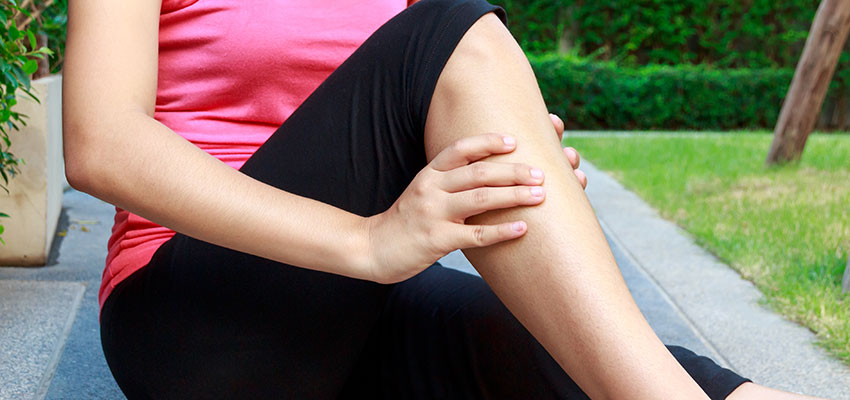
One of the most typical causes of leg pain from dehydration. A cramp is an uncontrollable muscular contraction. Your muscles can relax thanks to the fluids in your body, but when you’re dehydrated, your muscles become agitated and more prone to cramping.
How to stop cramping from dehydration
The solution may be as close as your water bottle if dehydration-related leg cramps are causing you to skip a workout. Dehydration-related cramps are often uncomfortable but safe. What causes leg cramps, how to stop leg cramps, and more are explained here.
What causes leg cramps?
Many people frequently get leg cramps, which typically strike the calf muscle (located towards the back of the leg, between the knee and ankle).
An expression used to describe these cramps is “charley horse.” Leg cramps can be brought on by a variety of factors, such as strenuous activity, hot weather, and muscle strain.
Dehydration occurs when your body expels more water and electrolytes (vital minerals, such potassium), than it is able to take in.
You can experience mild to severe symptoms depending on how much water you’ve lost. When you are dehydrated, your body draws water from the less-important muscles (such the lower legs) in order to rehydrate the crucial organs (heart, lungs, etc.).
How do you stop leg cramps?
Calf cramps can be ease with stretching. Here are a few stretches to try:
- Standing on a step with the balls of the feet extended and heels dangling over the edge. Until the muscle relaxes, slowly lower yourself while holding still and inhaling.
- Place yourself close to a wall. About shoulder height from the wall, press your palms against it. Till you feel a stretch in the backs of the legs, slowly bend your elbows while maintaining your heels on the ground.
- Stand about two feet away from a strong chair and use the back as a balance aid. Lengthen your back leg. Pushing with the rear foot, move towards the wall behind you while keeping the heel up and the toes firmly planted. On the opposite side, repeat.
How do you prevent leg cramps?
Be sure to drink enough water throughout the day on a regular basis. How much water is “enough”? That can be complicated, but here are some guidelines:
- According to the U.S. National Academies of Sciences, Engineering, and Medicine, a sufficient daily fluid consumption for men is approximately 15.5 cups (3.7 litres) and for women, approximately 11.5 cups (2.7 litres).
- Drinking water alone does not constitute adequate fluid intake. Fluids are obtained from foods and other drinks, among other sources.
Age, sex, pregnancy, and nursing status all affect the amount of fluid that is advised. - The effects of caffeine on fluid intake. It is a diuretic, which means it makes your body release more water, and is present in soda and coffee.
- Drink water when you’re thirsty and more often if you’re being physically active, especially when it’s hot outside.
Read more about other pain – sciatica pain and bone pain