
How To Manage The Financial Aspects Of A Visit To A Walk-In Dentist Or Emergency Orthodontist?
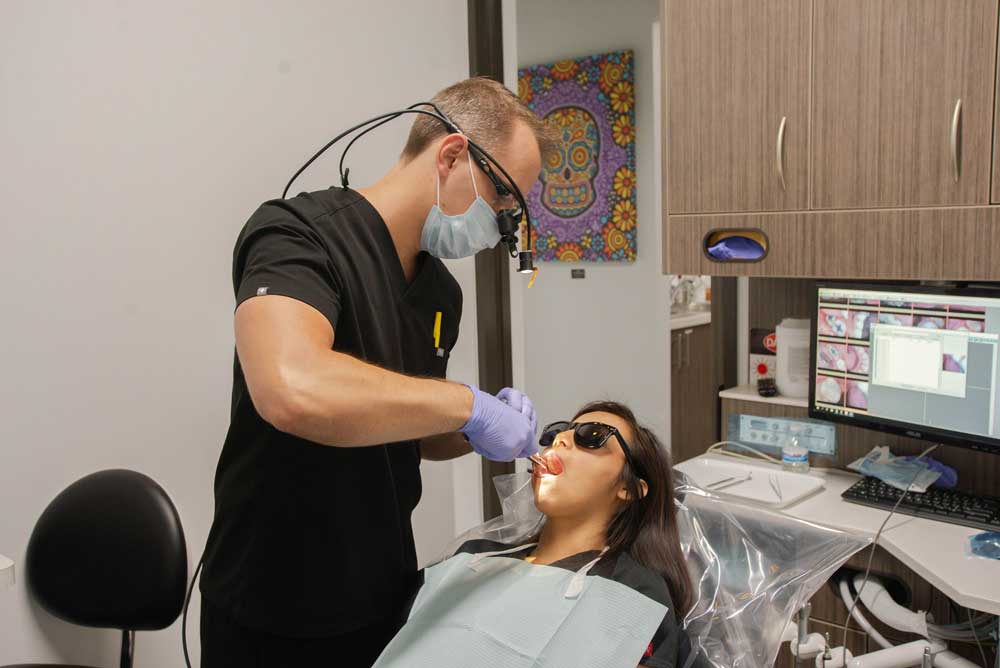
Dental emergencies can occur at any time, leaving patients in a state of distress and urgency to seek immediate dental care. In such situations, it is essential to visit a walk-in dentist or an emergency orthodontist near me for prompt treatment. However, the financial aspect of dental care can be a major concern for many patients, especially those without dental insurance. In this article, we will discuss how to manage the financial aspects of a visit to a walk-in dentist or emergency orthodontist.
1. Understanding the Costs
The first step in managing the financial aspect of a dental visit is to understand the costs involved. Dental treatments can vary in price depending on the procedure, the location of the practice, and the dentist’s experience. Patients should be aware of the estimated cost of the treatment they require before they visit the walk-in dentist near me. This can be obtained by calling the dental practice in advance or by checking their website. It is also important to note that emergency dental care may be more expensive than regular dental care due to the urgency of the situation.
Patients can ask their dentist to provide them with a written estimate of the treatment costs. This estimate should include the fees for the dental procedure, any additional charges, such as laboratory fees or anesthesia fees, and any potential follow-up appointments. Patients should also inquire about any discounts or promotions that may be available to them. Understanding the costs involved will help patients plan and budget for their dental treatment and avoid any surprises when it comes to paying for their dental care.
2. Dental Insurance
Dental insurance is a common way to manage the financial aspect of dental care. Patients with dental insurance can save a significant amount of money on their dental treatments. It is important to understand the coverage provided by your dental insurance and the out-of-pocket costs that you may incur. Patients should also be aware of any deductibles, co-payments, or limitations imposed by their dental insurance.
Before scheduling an appointment, patients should contact their dental insurance provider to verify if the dental practice is in-network or out-of-network. In-network providers typically have lower fees, and patients may be responsible for lower out-of-pocket costs. Out-of-network providers may charge higher fees, and patients may be responsible for paying the difference between the insurance company’s allowable fee and the provider’s fee.
3. Payment Plans
Many dental practices offer payment plans to help patients manage the cost of their dental treatments. Payment plans can allow patients to spread the cost of their treatment over several months or even years. Patients should discuss their financial situation with their dentist and ask about any payment plan options that may be available to them.
Patients should inquire with their dentist if they offer payment plans and what the terms and conditions of the plan are. Patients should also be aware of any interest or fees associated with the payment plan. Some dental practices may require a credit check or down payment before approving a payment plan.
4. Discount Dental Plans
Discount dental plans are an alternative to dental insurance that can help patients save money on their dental care. These plans offer discounted rates on dental treatments for a monthly or annual fee. Patients can enroll in a discount dental plan and start saving on their dental treatments immediately. Discount dental plans may also offer additional benefits, such as discounts on prescription medications and vision care.
Discount dental plans are typically easy to use, and patients can start using the plan immediately after enrollment. There are no deductibles, waiting periods, or annual maximums, and patients can use the plan as often as needed. Patients can choose from a variety of plans depending on their needs, such as individual or family plans, and can select from a network of participating dentists.
5. Care Credit
Care Credit is a healthcare credit card that can be used to pay for dental treatments. Care Credit offers interest-free financing options for up to 24 months, allowing patients to manage the cost of their dental care over time. Patients can apply for Care Credit online or at their dental practice.
Care Credit can be an excellent option for patients who need extensive dental treatment or emergency dental care and cannot afford to pay the full cost upfront. Patients can spread out the cost of their dental treatments over a more extended period, with no interest charged if the balance is paid in full within the promotional period. Patients should be aware that interest will accrue on any remaining balance after the promotional period ends.
6. Negotiation
Patients can also negotiate the cost of their dental treatment with their dentist. Some dental practices may be willing to offer a discount or a payment plan to help patients manage the cost of their treatment. Patients should discuss their financial situation with their dentist and ask about any discounts or payment plans that may be available.
Patients can also ask their dentist about any cash discounts or promotions that may be available. Some dental practices offer cash discounts for patients who pay in full at the time of their visit. Patients should also inquire about any available financing options, such as in-house payment plans, to help spread out the cost of their treatment over time.
Conclusion
Managing the financial aspect of a visit to a walk-in dentist or emergency orthodontist can be challenging, especially for those without dental insurance. However, patients have several options to help them manage the cost of their dental care, including understanding the costs involved, utilizing dental insurance or discount dental plans, considering payment plans or Care Credit, and negotiating with their dentist. By taking these steps, patients can receive the dental care they need without breaking the bank.
Seeking dental care from a walk-in dentist or emergency orthodontist can be costly, but there are various ways to manage the financial aspect of such visits. Patients can start by understanding the costs involved, utilizing their dental insurance or discount dental plans, considering payment plans or Care Credit, and negotiating with their dentist. By taking proactive steps to manage the cost of their dental care, patients can ensure they receive the necessary treatment without incurring unnecessary financial burden. It is essential to prioritize dental health and seek timely treatment to prevent long-term complications and costly treatments.