
How much does it cost to get dental crowns in Houston?
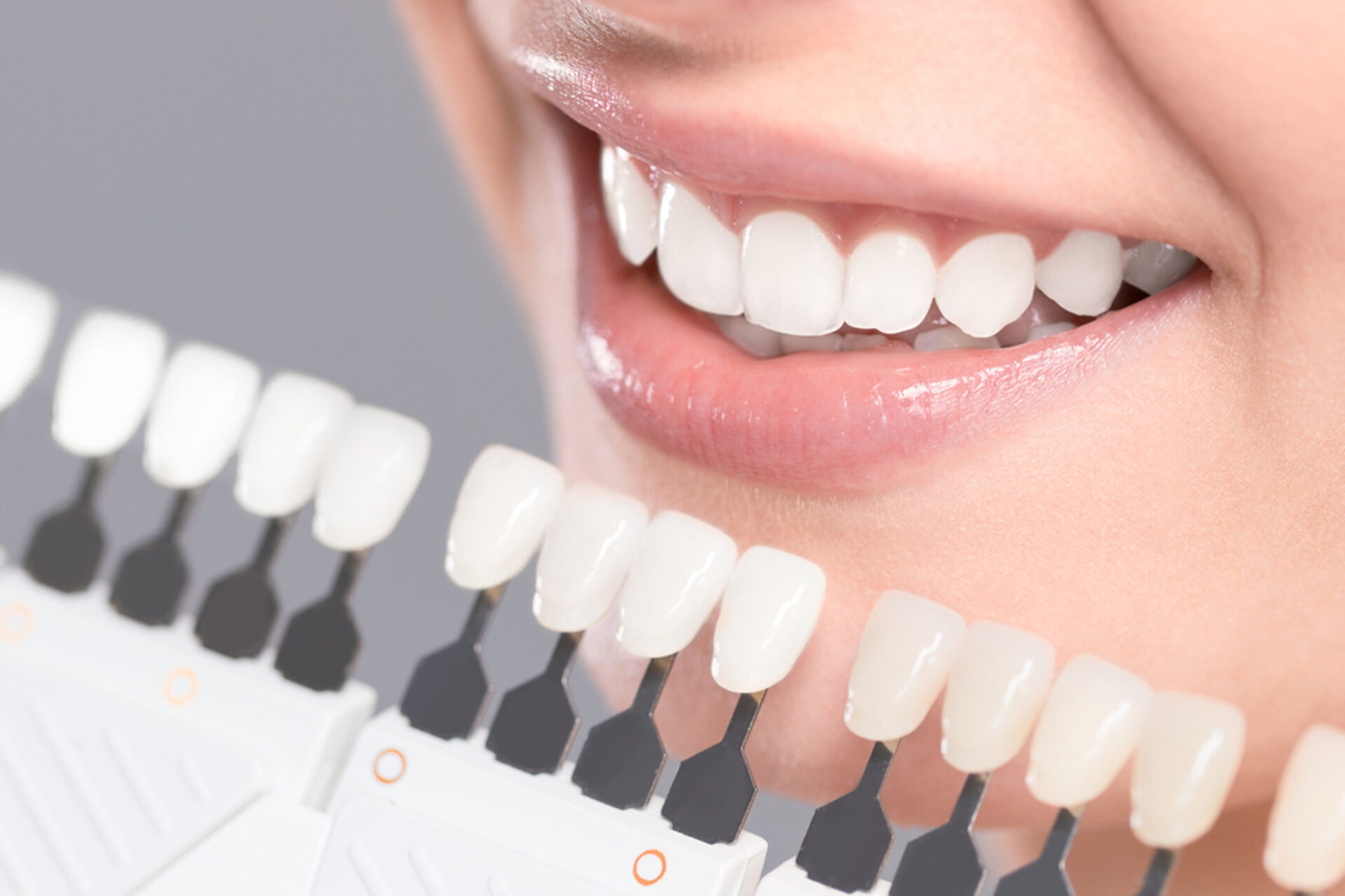
Dental crowns are an effective dental restoration solution used to cover damaged or weakened teeth, providing protection and improving their appearance. They are custom-made caps that fit over the entire surface of the tooth, restoring its shape, size, strength, and enhancing its aesthetic appeal. If you’re considering getting dental crowns in Houston, it’s essential to understand the factors that influence their cost, the different types available, and how to find the right dental clinic for the procedure.
What are Dental Crowns?
Dental crowns are dental prosthetics designed to encase a damaged tooth entirely. They can be made from various materials, including porcelain, ceramic, metal alloys, or a combination of materials. The choice of material depends on the specific requirements and the location of the tooth that needs the crown. Dental crowns are a versatile option for treating teeth that have undergone extensive decay, fractures, large fillings, or those that require cosmetic enhancement.
Types of Dental Crowns
There are several types of dental crowns available, each with its unique characteristics and cost implications. The common types of dental crowns include:
Porcelain Crowns: These crowns are known for their natural appearance and are often used for front teeth or more visible areas.
Metal Crowns: Made from alloys like gold or silver, metal crowns are highly durable and suitable for molars and teeth that undergo significant biting forces.
Porcelain-fused-to-Metal (PFM) Crowns: These crowns combine the aesthetics of porcelain with the strength of metal, making them suitable for both front and back teeth.
All-Ceramic Crowns: These crowns offer excellent aesthetics and are a preferred choice for individuals with metal allergies.
Benefits of Dental Crowns
Dental crowns offer numerous benefits, making them a popular dental restoration option:
Restore and protect damaged teeth.
Improve the appearance of misshapen or discolored teeth.
Strengthen weak teeth and prevent further damage.
Enhance the functionality of a tooth with a large filling.
Support dental bridges and cover dental implants.
Boost self-confidence by restoring a beautiful smile.
Factors Affecting the Cost of Dental Crowns
The cost of dental crowns in Houston can vary based on several factors:
Material: Different materials have varying costs, with porcelain and ceramic crowns generally being more expensive than metal crowns.
Location: The location of the dental clinic and the local cost of living can influence the price.
Complexity: The extent of tooth damage and the complexity of the procedure can affect the overall cost.
Dentist’s Experience: Highly experienced dentists or specialists may charge more for their services.
Additional Treatments: If additional procedures like root canal therapy are required before crown placement, it can add to the overall cost.
Average Cost of Dental Crowns in Houston
On average, the cost of a dental crown in Houston can range from $800 to $2,500 per tooth. Porcelain crowns are generally at the higher end of the price range due to their aesthetic appeal, while metal crowns tend to be more affordable.
Finding the Right Dental Clinic
When considering dental crowns, it’s crucial to choose the right dental clinic for the procedure. Here are some tips to find a reliable and skilled dentist:
Research: Look for dental clinics with positive reviews and testimonials from previous patients.
Experience: Opt for dentists with extensive experience in performing dental crown procedures.
Consultation: Schedule a consultation to discuss your specific needs and get an accurate cost estimate.
Technology: Choose a clinic that utilizes modern dental technology for precise and efficient treatments.
Payment Options: Inquire about payment plans or financing options if the upfront cost is a concern.
The Dental Crown Procedure
The dental crown procedure typically involves the following steps:
Examination: The dentist examines the tooth and determines if a crown is the appropriate solution.
Tooth Preparation: The tooth is reshaped to create space for the crown.
Impressions: Impressions of the prepared tooth are taken to create a custom crown.
Temporary Crown: A temporary crown is placed on the tooth while the permanent crown is fabricated.
Crown Placement: The permanent crown is bonded to the tooth using dental cement.
Aftercare and Maintenance
After getting dental crowns, proper aftercare is essential to ensure their longevity and effectiveness:
Oral Hygiene: Maintain regular brushing, flossing, and dental check-ups.
Avoid Chewing Hard Objects: Refrain from biting hard objects or using teeth to open packages.
Regular Dental Visits: Visit your dentist for periodic examinations and cleanings.
Address Teeth Grinding: If you grind your teeth, consider using a mouthguard to protect the crowns.
Dental crowns offer an excellent solution for restoring damaged teeth and enhancing smiles. The cost of dental crowns in Houston may vary based on several factors, including the material used, complexity of the procedure, and the dentist’s experience. By choosing the right dental clinic and following proper aftercare, you can ensure the longevity and effectiveness of your dental crowns, allowing you to enjoy a confident and healthy smile for years to come.
FAQs about Dental Crowns
What are dental crowns made of?
Dental crowns can be made of materials such as porcelain, ceramic, metal alloys, or a combination of materials.
Are dental crowns painful?
The dental crown procedure is typically not painful as it is performed under local anesthesia. Some mild discomfort may be experienced during the recovery period.
How long do dental crowns last?
With proper care, dental crowns can last anywhere from 10 to 15 years or even longer.
Can dental insurance cover the cost of dental crowns?
Dental insurance may cover a portion of the cost of dental crowns, but it depends on the type of insurance and the reason for the crown placement.
Can I eat normally with dental crowns?
Yes, you can eat normally with dental crowns, but it’s advisable to avoid biting on extremely hard objects to prevent damage.