
Discovering Freedom from Pain: The Tramadol Solution
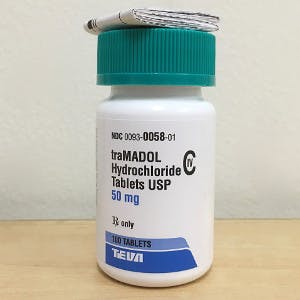
This medication is prescribed to treat moderate to severe pain. It does so by changing how your brain and body respond to discomfort.
Before buy tramadol online, inform your physician if you have liver or kidney disease; an obstructed stomach or intestines; asthma; heart, blood vessel or thyroid disease; or depression.
Using Tramadol
Tramadol is an opioid (narcotic) analgesic used to reduce pain by altering how your brain and nervous system perceive it. As such, it works well when combined with other medications and can be prescribed for treating various painful conditions ranging from nerve damage to certain muscle diseases; and can even be taken orally via immediate-release tablets or extended-release capsules – available both as the brand-name drug Ultram and in generic form; Ultracet is also an option containing both medications together for extra pain relief.
Experience true freedom from pain with Tramadol! Say goodbye to sleepless nights and limited mobility. Our trusted online platform allows you to conveniently purchase Tramadol and take control of your life again. Embrace a pain-free existence, where every day is filled with joy and possibilities. Don’t let pain hold you back any longer – buy Tramadol online today and discover the freedom you deserve!
Tramadol offers many distinct advantages that make it an effective and safe medication for many patients. It acts both as an opioid and serotonin/norepinephrine reuptake inhibitor (SNRI), boasting about one-tenth the potency of morphine.
Tramadol stands as a useful solution to non-neuropathic pain treatment, providing effective yet tolerable relief from most opioids and providing greater efficacy than most. Morphine can often be taken longer before experiencing adverse side effects; tramadol offers long-acting relief.
As is true with all prescription medicines, it is vitally important that you follow your physician’s directions regarding how and when to take this medicine. Doing so can help avoid side effects while ensuring its efficacy; additionally it would be prudent to store this medicine safely so it cannot be misused by others as abuse may become addictive.
If you are taking extended-release tablets or capsules, take them at about the same time each day to maintain an even level of medication in your body. Take immediate-release tablets or solutions as directed – either with food or without. Do not crush, chew, break, or open any medication before swallowing whole for maximum effectiveness and to protect the liquid inside from exposure. When measuring liquid doses use a special dosing spoon.
Tramadol should not be prescribed for children younger than 12 years, as it may increase the risk of breathing problems. Seniors aged 65 years or more are also not advised to use Tramadol because their kidneys and liver may no longer function optimally, leading more of the drug to remain in their bodies for extended periods.
Side Effects
Tramadol is an effective painkiller that works directly on the brain and nervous system to alleviate discomfort. It comes in immediate-release tablets or extended-release capsules for oral consumption or can be combined with paracetamol (acetaminophen) injection for severe discomfort relief. Tramadol’s low dependency risk makes it an appealing option when considering opioid medicine options.
Tramadol may cause drowsiness and dizziness in some individuals, making driving or operating machinery unsafe when starting or increasing dosage. If these effects continue or worsen over time, please notify your healthcare provider.
Severe side effects associated with tramadol use are unlikely, yet can include sudden allergic reactions that require medical treatment immediately. You should inform your physician immediately if any signs of severe allergy arise such as swelling in your face or throat, difficulty breathing or an itchy, raised rash that has blistered edges or blistered surfaces.
Tighter regulation of tramadol could have an enormous effect on how physicians treat their patients with conditions that involve nerves. In particular, tighter restrictions would decrease the number of those receiving satisfactory relief through NSAIDs, COX-2 inhibitors or, in certain countries, strong opioids.
Pain specialists recommend it as an alternative to WHO step one analgesics and as a step down after surgery1.
Most experts consider the evidence supporting its efficacy, safety and tolerability to be strong. One key advantage is its lower constipation risk compared with most opioids; additionally there is no major organ toxicity risk. Opioids such as Zopiclone tend to interact less with antidepressant medication than other opioids and possess an acceptable toxicity profile in elderly and very young patients. Now widely recommended in both musculoskeletal and neuropathic pain guidelines, and used as an NSAID-sparing analgesic in hospitals. Furthermore, it’s considered safe during pregnancy – something other opioids cannot guarantee! This safety is especially vital because taking other opioids could expose her child to potentially life-threatening withdrawal symptoms after birth.
Taking Tramadol with Other Medications
As with any medication, it is essential to follow your physician’s instructions precisely and report any conditions, such as slow breathing or asthma; lung conditions like chronic obstructive pulmonary disease (COPD); liver, kidney or heart problems; or head/brain injuries as soon as they arise or taking medications that increase pressure in your skull.
Tramadol can cause serious, even life-threatening breathing issues when starting or increasing its dosage, particularly among the elderly and debilitated as well as those suffering from severe lung or heart conditions. Furthermore, tramadol may increase levels of other drugs like antidepressants and antipsychotics in your system – increasing their side effect risks as well as potentially impairing their effectiveness at treating your pain effectively.
Notify your doctor immediately if you are pregnant, breastfeeding, have had a head injury or brain tumor, have long-term use of opioid medications like tramadol during gestation or breastfeeding and experience withdrawal symptoms in your newborn; such as high-pitched crying, poor feeding and sucking behaviors, trembling and seizures. Furthermore, some drugs pass through placenta and may interfere with breathing in newborns.
Some medications may increase serotonin levels in your body, leading to serotonin syndrome. The severity of symptoms can range from mild to severe; seek medical help immediately if symptoms include hallucinations; fast heart rate; muscle stiffness/trembling or stiffness and high fever.
Tramadol is a controlled substance, meaning that it must be prescribed with close medical supervision in order to minimize misuse and dependency risks. If you’ve taken it long-term, gradually taper off to reduce withdrawal symptoms; please keep out of reach of others, don’t sell or give away, as misuse could cause addiction and overdose; any misuse could be fatal.
Overdose
Tramadol can cause potentially life-threatening symptoms if taken in excess, including respiratory depression, coma and even death. Tramadol acts as a central nervous system depressant, blocking pain signals to the brain while still binding with opioid receptors and having addictive qualities. If you or anyone you know has overdosed on tramadol medication seek medical assistance immediately!
People with an established history of drug abuse and/or addiction are more prone to tramadol overdose, especially those under 26 and those who have had prior addiction issues such as alcohol. Furthermore, those with an addiction history such as an alcohol dependency may also increase the chances of addiction to painkillers like tramadol. Genetic factors also play a part. One common way tramadol overdose occurs is taking too many pills or mixing it with other substances – particularly people under 26 with prior substance abuse or those with histories such as alcoholism are most at risk from tramadol overdose.
Tramadol is a strong opioid medication, yet does not produce the high that other opioids do such as oxycodone and hydrocodone. Still, it has several pharmacologic actions and may induce feelings of euphoria for some individuals. Recreational users of Tramadol may chew, crush, snort or mix tablets for stronger effects or combine it with substances like alcohol or benzodiazepines; such behaviors significantly increase their risk of overdose and should be avoided to safeguard future use of Tramadol.
Tramadol overdose symptoms may include nonresponsiveness to sound or touch, extreme sleepiness and slow breathing. Other indications of overdose can include slow heart rate and cold or clammy skin. If you suspect someone you love has overdosed on this medication, call 911 immediately and stay with them until help arrives.
Do not chew, lick, or break these tablets – doing so could speed their entry into the bloodstream and result in overdosing. Your doctor should prescribe an opioid antagonist known as Naloxone that can reverse any overdose effects quickly; keep this with you at all times and call 911 if anyone suspects overdosing on this medication.