
Unveiling the True Worth: The Ceramic Coating Cost Guide
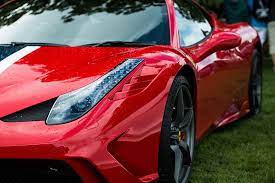
In recent years, ceramic coating has emerged as a revolutionary technology in the automotive detailing industry. This protective and glossy layer promises to enhance the appearance of vehicles while providing long-lasting protection against various environmental elements. As the demand for ceramic coatings continues to rise, so does the curiosity about its cost and value proposition. In this comprehensive guide, we will delve into the factors influencing ceramic coating costs, explore the different pricing structures, and unveil the true worth of investing in this cutting-edge automotive protection solution. Whether you are curious about ceramic coating cost or the benefits it brings, we have you covered.
Understanding Ceramic Coating
Ceramic coating is a liquid polymer applied to the exterior surfaces of a vehicle. The coating chemically bonds with the factory paint, creating a protective layer that acts as a shield against harmful contaminants, UV rays, bird droppings, tree sap, road salts, and other environmental pollutants. Unlike traditional wax or sealant, ceramic coatings offer enhanced durability and longevity, often lasting years rather than months.
Ceramic coatings are available in various formulations, ranging from consumer-grade to professional-grade products. These formulations determine the level of protection, durability, and appearance enhancement the coating provides. Consumers can choose from do-it-yourself (DIY) ceramic coating kits or opt for professional application services.
Factors Influencing Ceramic Coating Costs
The cost of ceramic coating can vary significantly depending on several key factors. Before investing in this protective solution, it’s crucial to understand the elements that influence its pricing. Here are the main factors to consider:
Product Quality and Brand Reputation: The brand and quality of the ceramic coating play a significant role in determining its cost. Established and reputable brands may offer more expensive products due to their research, development, and proven track record of performance. High-quality ceramic coatings generally contain a higher percentage of active ingredients, providing superior protection and gloss.
Coverage Area: The size of the vehicle and the surfaces to be coated affect the overall cost. Larger vehicles, such as SUVs or trucks, require more product to achieve complete coverage, which can lead to higher costs.
Level of Protection: As mentioned earlier, ceramic coatings are available in various formulations, each offering a different level of protection and durability. Consumer-grade coatings are generally more affordable, but they may not provide the same level of protection as professional-grade options, which can be more expensive.
Surface Preparation: Proper surface preparation is essential for achieving optimal ceramic coating results. Vehicles with existing paint imperfections, swirl marks, scratches, or paint correction needs may require additional preparation work. This can add to the overall cost of the ceramic coating application.
Professional vs. DIY Application: The cost of ceramic coating can vary significantly depending on whether it’s applied by a professional detailer or by the vehicle owner using a DIY kit. Professional application services may incur labor charges, while DIY kits are typically more affordable but may require a higher level of skill for optimal results.
Location and Service Demand: The geographical location of the service provider can impact the cost of ceramic coating. Areas with higher demand for such services or areas with a higher cost of living may have slightly higher prices.
Warranty and Aftercare: Some ceramic coating packages may come with extended warranties or aftercare services, which can influence the overall cost. These added benefits can offer peace of mind and may justify higher upfront expenses.
Types of Ceramic Coating Pricing Structures
When it comes to ceramic coating costs, there are several pricing structures that consumers may encounter in the market. Understanding these structures can help potential buyers make informed decisions and choose the most suitable option based on their budget and expectations:
Flat-Rate Pricing: Some detailing shops or service providers offer flat-rate pricing for their ceramic coating services. This means that regardless of the vehicle’s size or condition, customers pay a fixed price for the application of the ceramic coating. Flat-rate pricing is often simple and straightforward, making it easier for consumers to budget for the service.
Tiered Pricing: Tiered pricing involves offering different packages with varying levels of protection and additional services. These packages may range from basic protection to premium packages that include paint correction, interior detailing, or other add-ons. Each tier comes with a corresponding price, allowing customers to select the level of service that best suits their needs and budget.
Customized Pricing: Some professional detailers provide customized ceramic coating pricing based on the specific requirements of the vehicle and the customer’s preferences. This approach allows the customer to tailor the ceramic coating package to their individual needs, ensuring they pay for exactly what they want and need.
Per Square Foot Pricing: This pricing structure is more commonly found in larger vehicles like RVs, boats, or commercial vehicles. Detailers charge based on the total square footage of the surfaces that will be coated. The larger the vehicle, the higher the total cost is likely to be.
Unveiling the True Worth of Ceramic Coating
Having explored the factors that influence ceramic coating costs and the various pricing structures available, it’s time to unveil the true worth of investing in this advanced automotive protection solution.
Long-Term Cost Savings: While the upfront cost of ceramic coating may seem relatively higher compared to traditional wax or sealants, its long-term benefits can lead to substantial cost savings. Unlike wax, which requires frequent reapplication every few months, ceramic coatings can last for years with proper maintenance. This means fewer expenses on detailing products and services over time.
Enhanced Protection: Ceramic coatings offer a level of protection that far surpasses traditional paint protection products. The strong chemical bond formed with the factory paint creates a durable shield against a wide range of contaminants and environmental hazards. This protection extends the lifespan of the vehicle’s paint, reducing the need for costly paint repairs and touch-ups.
Improved Appearance: The deep gloss and enhanced clarity that ceramic coatings provide can transform the appearance of a vehicle, giving it a showroom-like finish. The coating’s hydrophobic properties also make it easier to maintain a clean and spotless appearance, reducing the frequency of car washes.
Time Savings: One of the significant advantages of ceramic coatings is the time saved on car maintenance. The self-cleaning properties of the coating mean that dirt, grime, and water spots are less likely to stick to the surface. This reduces the time spent on washing and detailing, allowing car owners to enjoy more of their valuable time.
UV Protection: Ceramic coatings shield the vehicle’s paint from harmful ultraviolet (UV) rays, preventing oxidation and fading. Over time, this protection helps retain the paint’s color and vibrancy, preserving the vehicle’s aesthetic appeal and potentially increasing its resale value.
Chemical Resistance: The chemical resistance of ceramic coatings ensures that the paint is less susceptible to damage from acidic contaminants, such as bird droppings or tree sap. This resistance prevents etching or staining of the paint surface, keeping it looking pristine for longer.
Hydrophobic Properties: The hydrophobic nature of ceramic coatings repels water and other liquids, making it easier to clean and maintain the vehicle’s appearance. Water and dirt slide off the surface effortlessly, leaving the car cleaner for longer periods.
Professional vs. DIY Application: The choice between professional application and DIY kits can significantly impact the cost and value proposition of ceramic coatings. Professional application services, while more expensive, often come with expertise, precision, and guarantees that ensure the coating’s effectiveness and longevity. DIY kits may be more affordable, but success relies on the user’s ability to properly apply the coating, which can be challenging and risky.
Conclusion
Ceramic coatings have undoubtedly revolutionized the automotive detailing industry with their long-lasting protection, enhanced appearance, and convenience. Although the initial cost of ceramic coating may seem higher than traditional products, its true worth becomes evident over time through the long-term cost savings, improved protection, and overall benefits it offers.
Investing in a high-quality ceramic coating can add significant value to a vehicle, preserving its paint, enhancing its resale potential, and reducing the need for frequent detailing and repainting. The hydrophobic properties and self-cleaning effects of ceramic coatings make car maintenance less time-consuming and more enjoyable for vehicle owners.