
Are There Any Potential Side Effects Of Using Retinol Serum?
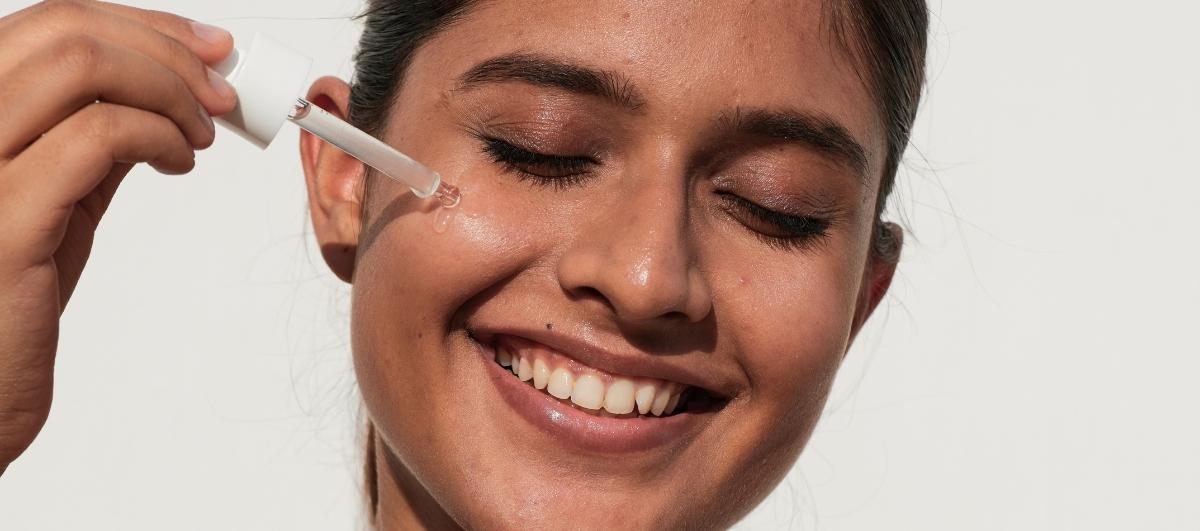
Retinol is a form of Vitamin A that is commonly found in anti-aging products. It is known for its ability to reduce the appearance of fine lines and wrinkles, improve skin texture and tone, and promote collagen production. However, as with any skincare product, there are potential side effects to using retinol serum.
In this article, we will explore the potential side effects of retinol serum and how to use it safely and effectively.
What is Retinol Serum?
Retinol serum is a concentrated form of Vitamin A that is used topically to improve the appearance of the skin. Best Retinol Serum works by increasing cell turnover, promoting collagen production, and reducing the breakdown of collagen. It is commonly found in anti-aging products and is known for its ability to reduce the appearance of fine lines and wrinkles.
What Are The Potential Side Effects of Retinol Serum?
Skin Irritation
One of the most common side effects of using retinol serum is skin irritation. Retinol can cause redness, dryness, and flakiness, especially when first starting to use the product. This is because retinol is a powerful ingredient that can be harsh on the skin.
To minimize the risk of skin irritation, it is important to start with a low concentration of retinol and gradually increase the concentration as your skin adjusts. It is also important to use a moisturizer and sunscreen when using retinol serum.
Sensitivity to Sunlight
Retinol can make your skin more sensitive to sunlight, which can increase the risk of sunburn and skin damage. It is important to use a broad-spectrum sunscreen with an SPF of at least 30 when using retinol serum. You should also avoid sun exposure as much as possible and wear protective clothing, such as a hat and sunglasses.
Dryness
Retinol can cause dryness and flakiness, especially in those with dry or sensitive skin. To minimize dryness, it is important to use a moisturizer after applying retinol serum. Look for a moisturizer that is non-comedogenic and fragrance-free to avoid further irritation.
Peeling and Flaking
Retinol can cause peeling and flaking, especially when first starting to use the product. This is because retinol works by increasing cell turnover, which can cause the top layer of skin to slough off. To minimize peeling and flaking, it is important to start with a low concentration of retinol and gradually increase the concentration as your skin adjusts.
Acne Breakouts
Some people may experience acne breakouts when using retinol serum. This is because retinol can cause the skin to purge impurities, which can lead to breakouts. To minimize the risk of acne breakouts, it is important to start with a low concentration of retinol and gradually increase the concentration as your skin adjusts.
How to Use Retinol Serum Safely and Effectively?
Start Slowly
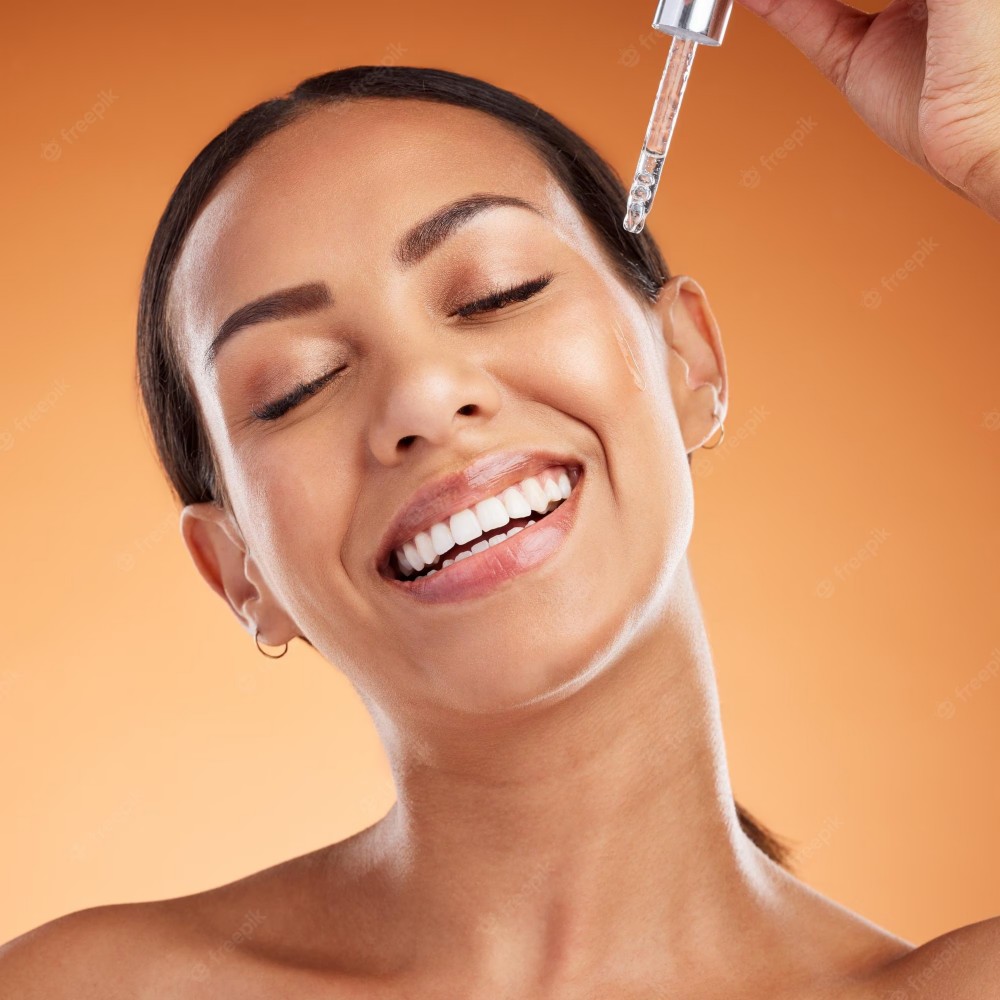
When first starting to use retinol serum, it is important to start with a low concentration and gradually increase the concentration as your skin adjusts. This will help minimize the risk of skin irritation and other side effects.
Use at Night
Retinol can make your skin more sensitive to sunlight, so it is best to use retinol serum at night. This will also allow the retinol to work while you sleep, promoting cell turnover and collagen production.
Use Sunscreen
Retinol can make your skin more sensitive to sunlight, so it is important to use the best sunscreen with an SPF of at least 30 when using retinol serum. You should also avoid sun exposure as much as possible and wear protective clothing,
Moisturize
To minimize dryness and flakiness, it is important to use a moisturizer after applying retinol serum. Look for a moisturizer that is non-comedogenic and fragrance-free to avoid further irritation.
Don’t Overdo It
Retinol is a powerful ingredient, but using too much of it can lead to skin irritation and other side effects. Follow the instructions on the product label and don’t use more than recommended.
Be Patient
It can take several weeks to see the full benefits of using retinol serum. Be patient and consistent with your use of the product to see the best results.
Conclusion
Retinol serum can be an effective anti-aging product, but it is important to use it safely and effectively to minimize the risk of side effects. Skin irritation, sensitivity to sunlight, dryness, peeling and flaking, and acne breakouts are potential side effects of using retinol serum. To use retinol serum safely and effectively, start slowly, use at night, use sunscreen, moisturize, don’t overdo it, be patient, and talk to your dermatologist if needed.
Read Also: Where To Get Vitamin C IV Therapy Near Me?