
The Future of RC Racing: Exploring the Latest Breakthroughs in Battery Innovation
Introduction
Remote Control (RC) racing has captivated enthusiasts for decades, offering the thrill of high-speed competition in a smaller, more accessible format. As technology continues to advance rapidly, the future of RC racing is set to be transformed by breakthroughs in battery innovation. This article explores the latest developments in rc batteries technology that are reshaping the RC racing landscape.
The Evolution of RC Racing
RC racing has come a long way since its inception, evolving from simple electric-powered models to high-performance racing machines. While traditional nitro-powered engines were once dominant, electric RC cars have gained popularity due to their lower maintenance requirements and cleaner operation.
The Importance of Battery Innovation
In the quest for superior performance, longer runtimes, and environmental responsibility, battery innovation plays a pivotal role in shaping the future of RC racing.
1. Increasing Performance
Advancements in battery technology are key to unlocking the full potential of RC cars. Higher capacity and improved discharge rates enable these vehicles to achieve greater speeds and acceleration, enhancing the overall racing experience.
2. Extending Runtime
Longer runtime allows RC enthusiasts to enjoy extended playtime without frequent interruptions for recharging. This is especially crucial during competitive events, ensuring participants can focus on the thrill of racing rather than battery swaps.
3. Addressing Environmental Concerns
As the world becomes increasingly conscious of environmental impact, RC racing strives to adopt greener practices. Battery innovation offers the possibility of reducing the carbon footprint of the sport, making it more sustainable and eco-friendly.
Lithium-Ion Batteries: The Current Standard
Lithium-ion batteries have become the standard power source for various applications, including RC racing. These batteries offer a good balance of energy density, power output, and safety. However, further advancements are sought to push the boundaries of RC racing performance.
Advancements in Lithium Polymer (LiPo) Batteries
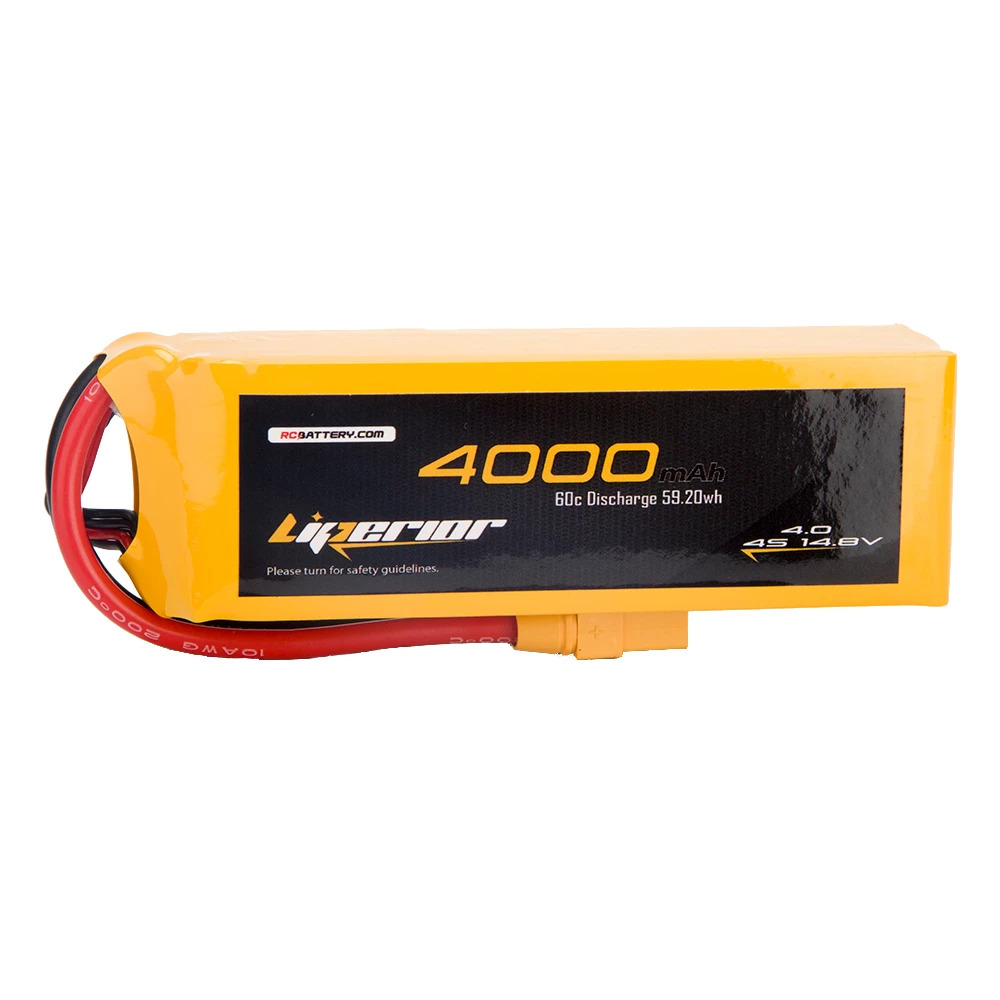
Lithium Polymer (LiPo) batteries are a notable improvement over traditional lithium-ion batteries, offering several key benefits.
1. Higher Energy Density
LiPo batteries pack more energy into a smaller and lighter package, translating to increased power for RC cars without adding bulk.
2. Faster Charging
LiPo batteries can be charged at higher rates, reducing downtime between races and allowing enthusiasts to stay in the action.
3. Enhanced Safety Features
Safety is paramount in RC racing, and LiPo batteries are equipped with advanced safety mechanisms to prevent overcharging and discharge-related accidents.
The Emergence of Solid-State Batteries
As technology progresses, solid-state batteries have emerged as a potential game-changer in the world of RC racing.
1. Introduction to Solid-State Batteries
Solid-state batteries utilize solid electrolytes instead of liquid ones, offering improved stability, higher energy density, and enhanced safety.
2. Advantages in RC Racing
Solid-state batteries have the potential to revolutionize RC racing with their improved power-to-weight ratio and faster charging capabilities.
Hydrogen Fuel Cells: A Promising Prospect
Hydrogen fuel cells represent an alternative power source that has gained attention for its eco-friendly attributes.
1. Clean and Efficient Power Source
Hydrogen fuel cells produce electricity through the reaction of hydrogen and oxygen, emitting only water vapor and heat as byproducts.
2. Challenges and Future Potential
While hydrogen fuel cells show promise, practical implementation and cost remain significant challenges in RC racing applications.
Wireless Charging Technology
Wireless charging is becoming more prevalent in various industries, and RC racing is no exception.
1. Convenience and Practicality
Wireless charging eliminates the need for physical connectors, making charging more convenient and reducing wear and tear on equipment.
2. Implementation in RC Racing
Wireless charging stations at race venues could provide seamless recharging for RC cars between heats, ensuring continuous action.
AI and Battery Management Systems
Artificial Intelligence (AI) and advanced battery management systems are transforming how RC enthusiasts interact with their vehicles.
1. Optimizing Performance and Efficiency
AI-powered battery management systems can optimize power delivery and consumption, tailoring the driving experience to individual preferences.
2. Predictive Maintenance
By analyzing data, AI can predict battery health and advise users on necessary maintenance, prolonging battery life and enhancing safety.
Eco-Friendly Initiatives in RC Racing
The RC racing community is committed to adopting eco-friendly initiatives.
1. Sustainable Materials
Manufacturers are exploring sustainable materials for RC car construction, reducing the environmental impact of production and disposal.
2. Recycling and Disposal
Proper recycling and disposal practices are being promoted to ensure the responsible handling of used batteries and electronics.
The Impact of Battery Innovation on RC Racing
The ongoing advancements in battery technology are set to reshape the landscape of RC racing in several ways.
1. Faster and More Exciting Races
Improved battery performance will lead to faster and more exhilarating RC races, attracting both participants and spectators.
2. Attracting New Enthusiasts
Cutting-edge technology and eco-friendly initiatives will attract a broader audience to the world of RC racing, fostering growth and innovation.
3. Shaping the Future of the Sport
Battery innovation will play a central role in shaping the future of RC racing, driving the industry forward with sustainable practices and thrilling experiences.
Conclusion
The future of RC racing is undeniably intertwined with battery innovation. From lithium polymer batteries to solid-state technologies and hydrogen fuel cells, the possibilities for advancement are endless. As enthusiasts and manufacturers embrace these breakthroughs, the RC racing world will undoubtedly experience faster, greener, and more engaging races than ever before.
Author Bio
I am Lucy Jack, and I have been working as Content Writer at Rananjay Exports for past 2 years. My expertise lies in researching and writing both technical and fashion content. I have written multiple articles on Gemstone Jewelry like Turquoise Ring and other stones over the past years and would love to explore more on the same in future.
FAQs
- How do I choose the right battery for my RC car?
- Select a battery with the appropriate voltage and capacity that matches your RC car’s specifications. Consider factors such as runtime, performance, and safety features.
- Can I upgrade my older RC car with newer battery technology?
- Yes, many older RC cars can be upgraded with newer battery technologies, but compatibility should be checked before making any modifications.
- Are hydrogen fuel cells practical for casual RC enthusiasts?
- Hydrogen fuel cells are currently more suited to specialized applications due to cost and availability. They may become more practical as technology advances.
- What safety measures should I consider when handling RC batteries?
- Always follow the manufacturer’s guidelines for charging, discharging, and storing RC batteries. Avoid exposing batteries to extreme temperatures or physical damage.
- How will battery innovation influence the cost of RC racing equipment?
- Initially, advanced battery technologies may lead to higher costs, but as they become more widespread, economies of scale could help make them more affordable over time.