
Healthy Coping Skills for Uncomfortable Emotions
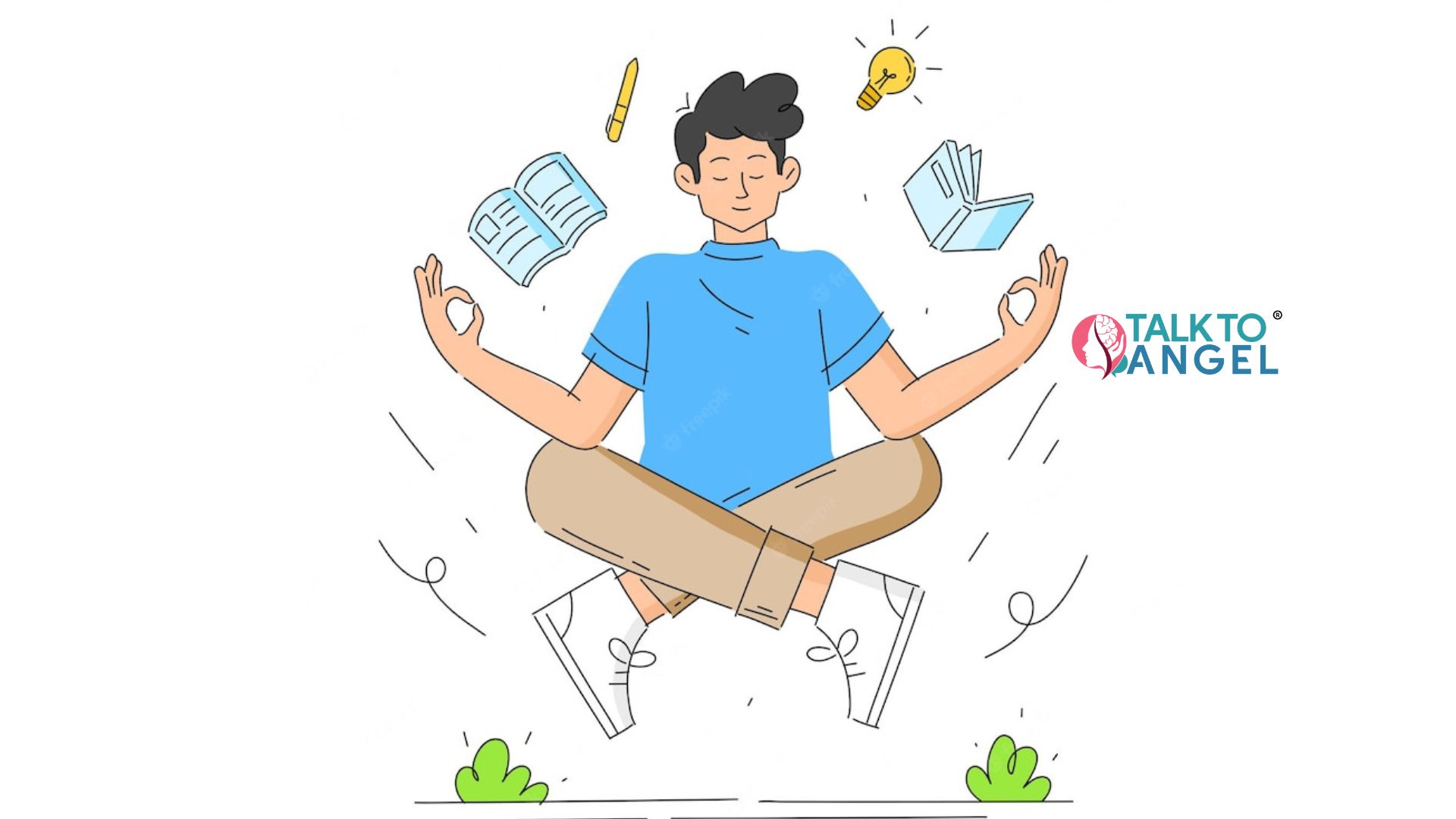
Having effective coping mechanisms can be crucial to getting through difficult moments, whether you’ve been dumped by your date or had a challenging day at work. Your ability to cope with stressful events in life will help you endure, reduce, and handle them.
The strategies people employ to handle stressful circumstances are known as coping skills. Your capacity to perform at your best can be impacted by how effectively you manage your stress, which can improve your physical and mental health.
Developing healthy coping skills can be crucial in managing uncomfortable emotions and stressful situations. While everyone copes differently, seeking guidance and support from an Online counsellor can be a valuable resource in developing effective coping mechanisms. Online counselling provides a safe and confidential space for individuals to explore their emotions and develop strategies for managing stress and difficult situations. Additionally, engaging in self-care practices such as exercise, meditation, and spending time with loved ones can also be effective in reducing stress and promoting emotional well-being. By prioritizing healthy coping skills, individuals can improve their physical and mental health and build resilience to face life’s challenges.
However, not every kind of coping is the same. It might be alluring to use tactics that will provide you with immediate respite but would later lead to more serious issues. The development of effective coping mechanisms is crucial if you want to lessen your emotional suffering or get rid of the stressful circumstances you find yourself in. An illustration of a constructive coping technique is:
- Setting and preserving borders
- The use of relaxation techniques including deep breathing, meditation, and awareness
- Exercise on a regular basis
- Goal-setting and creating to-do lists
In this article, coping mechanisms that might ease stress and deal with difficulties are discussed. Find out more about the best ways to apply certain techniques, such as problem- and emotion-focused techniques.
Problem-Based vs. Emotion-Based
Problem-focused coping, emotion-focused coping, religious coping, meaning-making coping, and social support coping are the five primary categories of coping mechanisms. Problem-based coping and emotion-based coping are two major categories of coping mechanisms. You may choose the most effective coping mechanism for you by realizing how they vary.
- When you need to alter your circumstances, say by getting rid of something upsetting from your life, problem-based coping might be useful. For instance, exiting a toxic relationship can be the greatest way to deal with your worry and despair (as opposed to simply numbing your feelings).
- When you need to deal with your emotions and either don’t want to change your situation or find that things are beyond your control, emotion-based coping might be useful. For instance, since you are unable to change the situation, it is crucial to deal with your emotions in a healthy way while you are grieving the loss of a loved one.
Sometimes there are several good options for action. Instead, it’s up to you to select which coping strategy is most likely to be effective for you in your unique situation. Examples of stressful circumstances and how each strategy could be applied are given below.
Reading Your Performance Review
Your yearly performance review is in your email, which you open. You were astonished to learn from the review that you perform below average in a number of categories. You experience apprehension and annoyance.
- Problem-focused coping: You go to your supervisor and discuss how you can raise your performance. You create a detailed strategy that will enable you to perform better, and you begin to have more confidence in your capacity to achieve.
- Emotion-focused coping: You read a book during your lunch break to keep yourself from dwelling on the dire predictions that you’ll be fired. You work out and clean the house after work to make you feel better so you can reflect on the problem more.
Getting a Teenager to Clean
- Solution-focused coping: You sit your adolescent down and inform him that he will be grounded until his room is tidy. Your restrictions on him include taking away his electronics. To avoid having to look at the mess in the meanwhile, you close the door to his room.
- A hot bath usually makes you feel better, so you choose to run some water as an emotional-focused coping strategy. You are aware that taking a bath will help you decompress so you don’t lose your temper and shout at him.
Healthy Emotion-Focused Coping Skills
Put on some scented lotion, spend some time in the outdoors, take a bath, sip some tea, or take time to pamper your skin in a way that makes you feel good, like fixing your hair, painting your nails, or putting on a face mask.
- Take up a hobby: Take up something you want to do, like sketching, colouring, or listening to music.
- Exercise by practicing yoga, taking a stroll, going on a walk or playing a leisure activity.
- Priorities a task: Cook a dinner, tend a garden, read a book or clean the house (or a closet, drawer or space).
- Become more conscious by making a list of your blessings, practising meditation, visualizing your “happy place,” or looking at photographs that will help you remember the people, places, and things that make you happy.
- Use relaxation techniques such as playing with a pet, doing breathing exercises, squeezing a stress ball, using a relaxation app, indulging in some aromatherapy, trying progressive muscle relaxation, or journaling.